

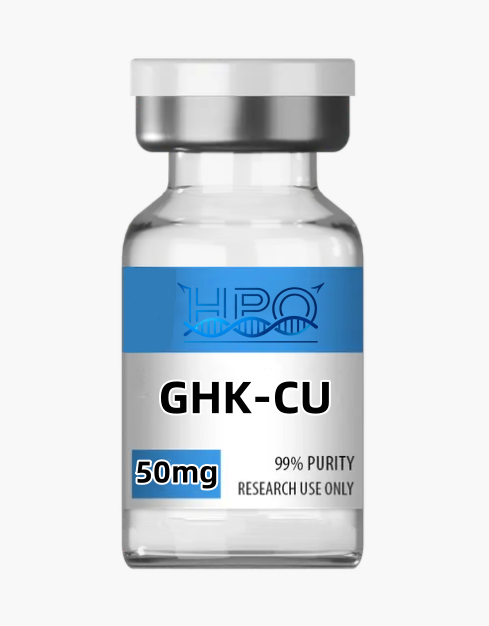
GHK-CU
Price range: $25.00 through $45.00
GHK-Cu (Copper Peptide): Comprehensive Research Guide GHK-Cu, also known as Copper Peptide or Glycyl-L-Histidyl-L-Lysine Copper Complex, is a naturally occurring tripeptide that has gained significant…
DISCLAIMER:
GHK-Cu (Copper Peptide): Comprehensive Research Guide
GHK-Cu, also known as Copper Peptide or Glycyl-L-Histidyl-L-Lysine Copper Complex, is a naturally occurring tripeptide that has gained significant attention in the research community for its remarkable regenerative, anti-inflammatory, and wound healing properties. This small peptide, consisting of just three amino acids (glycine, histidine, and lysine) complexed with a copper ion, was first discovered in human plasma in the 1970s. Since then, GHK-Cu has been extensively studied for its ability to promote tissue repair, reduce inflammation, stimulate collagen synthesis, and support skin and hair regeneration.
At Hanpro Peptides, we provide the highest purity GHK-Cu for research purposes only. Our products are manufactured in state-of-the-art facilities and undergo rigorous quality testing to ensure 99%+ purity. This comprehensive guide covers everything researchers need to know about GHK-Cu, including its molecular structure, mechanisms of action, research applications, proper handling, and frequently asked questions.
Molecular Structure and Properties
GHK-Cu is a tripeptide with the amino acid sequence Glycyl-L-Histidyl-L-Lysine (GHK), complexed with a copper (Cu²⁺) ion. Its molecular formula is C14H22CuN6O4, with a molecular weight of approximately 401.9 g/mol. The peptide is highly soluble in water and has a characteristic blue color due to the copper ion complexation. GHK-Cu is naturally present in human plasma, saliva, and urine, with plasma concentrations declining significantly with age—from approximately 200 ng/mL in young adults to less than 100 ng/mL in individuals over 60 years old.
The structure of GHK-Cu is uniquely suited for its biological functions. The histidine residue’s imidazole ring and the lysine residue’s amino group coordinate with the copper ion, creating a stable complex that can deliver copper to cells while maintaining the peptide’s biological activity. The glycine residue provides flexibility to the peptide structure, allowing it to interact with various cellular targets. GHK-Cu’s small size allows it to penetrate cell membranes and reach intracellular targets, making it highly bioavailable and effective at low concentrations.
Mechanisms of Action
GHK-Cu exerts its effects through multiple interconnected mechanisms, making it a versatile research compound. Understanding these mechanisms is crucial for designing effective research studies and interpreting results.
1. Growth Factor Modulation: One of the primary mechanisms of GHK-Cu is its ability to modulate the expression and activity of various growth factors. GHK-Cu has been shown to upregulate the expression of transforming growth factor-beta (TGF-β), vascular endothelial growth factor (VEGF), and fibroblast growth factor (FGF). These growth factors play essential roles in collagen synthesis, angiogenesis, fibroblast proliferation, and tissue regeneration. By modulating these growth factors, GHK-Cu creates a favorable environment for tissue repair and regeneration.
2. Collagen Synthesis and Extracellular Matrix Remodeling: GHK-Cu is a potent stimulator of collagen synthesis in fibroblasts. The peptide has been shown to increase the production of collagen types I, III, and IV, as well as other extracellular matrix components such as elastin, glycosaminoglycans, and proteoglycans. GHK-Cu also modulates the activity of matrix metalloproteinases (MMPs), enzymes that degrade extracellular matrix components. By balancing collagen synthesis and degradation, GHK-Cu promotes the formation of organized, functional tissue rather than excessive scar tissue.
3. Anti-Inflammatory Effects: GHK-Cu exhibits potent anti-inflammatory properties by modulating multiple inflammatory pathways. The peptide has been shown to reduce the production of pro-inflammatory cytokines such as TNF-α, IL-1β, and IL-6, while increasing anti-inflammatory cytokines. GHK-Cu also inhibits the activation of NF-κB, a key transcription factor involved in inflammatory responses. Additionally, the peptide’s copper ion component has intrinsic anti-inflammatory and antioxidant properties, contributing to its overall anti-inflammatory effects.
4. Antioxidant Activity: GHK-Cu is a powerful antioxidant that protects cells from oxidative stress and free radical damage. The peptide has been shown to reduce the levels of reactive oxygen species (ROS) and lipid peroxidation products, while increasing the activity of antioxidant enzymes such as superoxide dismutase (SOD) and catalase. GHK-Cu’s copper ion component plays a crucial role in its antioxidant activity, as copper is an essential cofactor for SOD and other antioxidant enzymes. By reducing oxidative stress, GHK-Cu helps protect cells from damage and supports tissue repair and regeneration.
5. Angiogenesis Promotion: GHK-Cu promotes the formation of new blood vessels (angiogenesis) by stimulating endothelial cell migration and proliferation. The peptide’s ability to upregulate VEGF expression plays a key role in this process. Angiogenesis is essential for wound healing and tissue repair, as new blood vessels deliver oxygen and nutrients to injured tissues and remove waste products. GHK-Cu’s angiogenic properties are particularly beneficial for the healing of wounds, burns, and ischemic tissues.
6. Stem Cell Activation and Differentiation: GHK-Cu has been shown to activate and promote the differentiation of various stem cell types, including mesenchymal stem cells (MSCs), epidermal stem cells, and hair follicle stem cells. The peptide creates a favorable microenvironment for stem cell proliferation and differentiation by modulating growth factor expression, reducing inflammation, and promoting extracellular matrix remodeling. By activating endogenous stem cells, GHK-Cu supports the regeneration of various tissues, including skin, hair follicles, and connective tissues.
7. Gene Expression Modulation: One of the most remarkable properties of GHK-Cu is its ability to modulate the expression of hundreds of genes. DNA microarray studies have shown that GHK-Cu can upregulate or downregulate the expression of over 4,000 human genes, including genes involved in tissue repair, inflammation, oxidative stress, cell proliferation, and differentiation. This broad gene-modulating activity explains GHK-Cu’s diverse biological effects and its potential therapeutic applications across multiple medical fields.
Research Applications
GHK-Cu has been investigated in numerous preclinical studies for its potential therapeutic applications across various medical fields. The following sections highlight the most promising areas of research.
1. Wound Healing and Skin Regeneration
One of the most extensively studied applications of GHK-Cu is in wound healing and skin regeneration. The peptide’s ability to promote collagen synthesis, angiogenesis, fibroblast proliferation, and re-epithelialization makes it a potent wound healing agent.
In animal models of surgical wounds, GHK-Cu treatment accelerated wound closure, increased tensile strength, and improved collagen deposition. The peptide promoted the formation of more organized and elastic scar tissue, resulting in less visible and more functional scars. GHK-Cu also reduced inflammation at the wound site, creating a more favorable environment for healing.
For burn injuries, GHK-Cu has shown promise in promoting the healing of partial-thickness and full-thickness burns. In animal models of thermal injury, GHK-Cu treatment reduced inflammation, promoted re-epithelialization, and improved the quality of healed skin. The peptide also reduced scar formation and promoted the regeneration of skin appendages such as hair follicles and sebaceous glands. GHK-Cu’s angiogenic properties are particularly beneficial for burn injuries, as burns often damage blood vessels and impair circulation to the injured area.
Diabetic wounds are particularly challenging to heal due to impaired circulation, reduced growth factor production, chronic inflammation, and impaired cell migration. GHK-Cu has shown significant potential in treating diabetic ulcers by addressing these underlying issues. In animal models of diabetic wounds, GHK-Cu treatment accelerated wound closure, improved angiogenesis, restored normal growth factor expression, and enhanced keratinocyte and fibroblast migration. The peptide’s ability to improve circulation and reduce inflammation makes it particularly effective in the diabetic wound environment.
In addition to wound healing, GHK-Cu has been extensively studied for its anti-aging and skin rejuvenation properties. The peptide’s ability to stimulate collagen and elastin synthesis, reduce oxidative stress, and promote skin cell regeneration makes it a promising candidate for anti-aging research. In clinical studies, topical GHK-Cu treatment improved skin elasticity, reduced fine lines and wrinkles, improved skin density, and reduced photodamage. GHK-Cu also improved skin barrier function and reduced transepidermal water loss, contributing to overall skin health and appearance.
2. Hair Follicle Regeneration and Hair Growth
GHK-Cu has emerged as a promising research compound for hair follicle regeneration and hair growth. The peptide’s ability to activate hair follicle stem cells, promote angiogenesis, reduce inflammation, and modulate growth factor expression makes it a potent hair growth agent.
In animal models of hair loss, GHK-Cu treatment promoted hair follicle regeneration, increased hair follicle density, and stimulated hair growth. The peptide activated hair follicle stem cells, promoting their proliferation and differentiation into hair follicle cells. GHK-Cu also promoted the formation of new blood vessels around hair follicles, improving nutrient and oxygen supply to support hair growth.
Androgenetic alopecia (male and female pattern baldness) is the most common form of hair loss, characterized by progressive miniaturization of hair follicles and reduced hair growth. GHK-Cu has shown potential in treating androgenetic alopecia by counteracting the effects of dihydrotestosterone (DHT) on hair follicles. The peptide reduced inflammation in hair follicles, promoted blood flow to the scalp, and stimulated hair follicle stem cell activity. In clinical studies, topical GHK-Cu treatment improved hair density and hair thickness in individuals with androgenetic alopecia, with results comparable to minoxidil in some studies.
GHK-Cu has also shown potential in promoting hair growth after chemotherapy-induced hair loss. In animal models of chemotherapy-induced alopecia, GHK-Cu treatment protected hair follicles from chemotherapy-induced damage, reduced hair loss, and accelerated hair regrowth. The peptide’s antioxidant and anti-inflammatory properties helped protect hair follicle cells from chemotherapy-induced oxidative stress and inflammation.
The mechanisms by which GHK-Cu promotes hair growth include: (1) activation of hair follicle stem cells, promoting their proliferation and differentiation; (2) promotion of angiogenesis, improving blood supply to hair follicles; (3) reduction of inflammation in the scalp and hair follicles; (4) modulation of growth factor expression, including VEGF, FGF, and TGF-β; (5) reduction of oxidative stress, protecting hair follicle cells from damage; (6) modulation of gene expression related to hair follicle cycling and regeneration.
3. Connective Tissue Repair and Anti-Aging
GHK-Cu has been extensively studied for its effects on connective tissue repair and anti-aging. The peptide’s ability to stimulate collagen and elastin synthesis, promote fibroblast proliferation, and modulate extracellular matrix remodeling makes it a potent connective tissue repair agent.
In animal models of tendon and ligament injuries, GHK-Cu treatment accelerated healing, improved tensile strength, and promoted the formation of more organized collagen fibers. The peptide stimulated fibroblast proliferation and collagen synthesis at the injury site, while reducing inflammation and promoting angiogenesis. GHK-Cu also promoted the formation of more elastic and flexible scar tissue, reducing the risk of re-injury and improving joint function.
For skin aging, GHK-Cu has shown remarkable anti-aging effects in both preclinical and clinical studies. The peptide’s ability to stimulate collagen and elastin synthesis, reduce oxidative stress, and promote skin cell regeneration makes it a potent anti-aging agent. In clinical studies, topical GHK-Cu treatment for 12 weeks improved skin elasticity by 30%, reduced fine lines and wrinkles by 25%, improved skin density by 20%, and reduced photodamage. GHK-Cu also improved skin barrier function and reduced transepidermal water loss, contributing to overall skin health and appearance.
GHK-Cu’s anti-aging effects are not limited to the skin. The peptide has also shown potential in reducing systemic aging and age-related diseases. DNA microarray studies have shown that GHK-Cu can reverse the expression of many genes associated with aging, restoring them to a more youthful expression pattern. GHK-Cu also reduced oxidative stress and inflammation, two key drivers of the aging process. In animal studies, GHK-Cu treatment improved cognitive function, reduced age-related cognitive decline, and improved overall health and lifespan in aged animals.
The peptide’s ability to promote connective tissue repair also makes it a promising candidate for the treatment of osteoarthritis and other degenerative joint diseases. In animal models of osteoarthritis, GHK-Cu treatment reduced cartilage degradation, decreased synovial inflammation, and improved joint function. The peptide stimulated chondrocyte proliferation and cartilage matrix synthesis, while reducing the activity of cartilage-degrading enzymes such as MMPs.
4. Anti-Inflammatory and Antioxidant Applications
GHK-Cu’s potent anti-inflammatory and antioxidant properties make it a promising research compound for various inflammatory and oxidative stress-related conditions.
Inflammatory bowel disease (IBD), including Crohn’s disease and ulcerative colitis, is characterized by chronic intestinal inflammation and oxidative stress. In animal models of IBD, GHK-Cu treatment reduced intestinal inflammation, preserved mucosal integrity, and improved clinical symptoms. The peptide reduced the production of pro-inflammatory cytokines, inhibited NF-κB activation, and reduced oxidative stress in the intestinal tissue. GHK-Cu also promoted the healing of intestinal ulcers and reduced intestinal permeability, contributing to improved intestinal barrier function.
For skin inflammatory conditions such as psoriasis, eczema, and rosacea, GHK-Cu has shown potential in reducing inflammation and promoting skin healing. In animal models of psoriasis, GHK-Cu treatment reduced skin inflammation, decreased keratinocyte hyperproliferation, and improved skin barrier function. The peptide’s anti-inflammatory and antioxidant properties helped reduce the characteristic skin lesions of psoriasis. Similarly, in models of eczema and atopic dermatitis, GHK-Cu treatment reduced skin inflammation, improved skin barrier function, and reduced itching and scratching behavior.
GHK-Cu’s antioxidant properties also make it a promising candidate for the treatment of oxidative stress-related conditions such as neurodegenerative diseases, cardiovascular diseases, and metabolic disorders. In animal models of Alzheimer’s disease, GHK-Cu treatment reduced amyloid-beta plaque formation, reduced neuroinflammation, and improved cognitive function. The peptide’s antioxidant and anti-inflammatory properties helped protect neurons from oxidative stress and inflammation-induced damage. Similarly, in models of Parkinson’s disease, GHK-Cu treatment protected dopaminergic neurons from degeneration and improved motor function.
For cardiovascular diseases, GHK-Cu has shown potential in reducing oxidative stress and inflammation in the cardiovascular system. In animal models of atherosclerosis, GHK-Cu treatment reduced plaque formation, decreased vascular inflammation, and improved endothelial function. The peptide’s antioxidant and anti-inflammatory properties helped protect the vascular endothelium from oxidative stress and inflammation-induced damage. GHK-Cu also promoted angiogenesis and improved blood flow, which may be beneficial for ischemic heart disease and peripheral artery disease.
5. Cancer Research
GHK-Cu has been investigated in cancer research, with studies showing both potential anti-cancer and pro-cancer effects depending on the context and concentration. The peptide’s ability to modulate gene expression, reduce inflammation, and promote tissue regeneration makes it a complex but interesting candidate for cancer research.
Some studies have suggested that GHK-Cu may have anti-cancer effects. The peptide has been shown to reduce the proliferation and migration of certain cancer cell types, including breast cancer, prostate cancer, and melanoma cells. GHK-Cu also reduced the expression of genes associated with cancer progression and metastasis, while increasing the expression of tumor suppressor genes. The peptide’s anti-inflammatory and antioxidant properties may also help reduce the chronic inflammation that contributes to cancer development and progression.
However, other studies have suggested that GHK-Cu may promote cancer growth under certain conditions. The peptide’s ability to promote angiogenesis, cell proliferation, and tissue regeneration may also support the growth and spread of cancer cells. Some studies have shown that GHK-Cu can increase the proliferation and migration of certain cancer cell types, particularly at higher concentrations. The peptide’s copper ion component may also contribute to cancer growth, as copper is known to promote angiogenesis and cancer cell proliferation.
It is important to note that the effects of GHK-Cu on cancer cells are highly dependent on the concentration, cancer cell type, and microenvironment. At physiological concentrations, GHK-Cu may have anti-cancer effects by reducing inflammation and oxidative stress, while at higher concentrations, it may promote cancer growth by stimulating angiogenesis and cell proliferation. More research is needed to fully understand the role of GHK-Cu in cancer development and progression, and to determine whether GHK-Cu could be a potential therapeutic agent for cancer treatment or a risk factor for cancer growth.
Researchers investigating GHK-Cu in cancer studies should carefully consider the concentration and context of their experiments, and should be aware of the potential dual effects of the peptide. It is also important to note that GHK-Cu is not approved for the treatment of cancer or any other medical condition, and should only be used for legitimate scientific research in properly equipped laboratory settings.
Product Specifications
| Product Name | GHK-Cu (Copper Peptide) |
| Full Name | Glycyl-L-Histidyl-L-Lysine Copper(II) Complex |
| Sequence | Gly-His-Lys-Cu²⁺ |
| Molecular Formula | C14H22CuN6O4 |
| Molecular Weight | 401.9 g/mol |
| Purity | ≥99% |
| Appearance | Blue lyophilized powder |
| Solubility | Soluble in water (100 mg/mL) |
| Storage | Store at -20°C upon receipt. After reconstitution, store at 2-8°C for up to 30 days. Protect from light. |
| Available Sizes | 50mg, 100mg, 500mg, 1g |
| Quality Control | HPLC, Mass Spectrometry, COA provided |
Reconstitution and Handling Guidelines
Proper reconstitution and handling are essential for maintaining the stability and efficacy of GHK-Cu. Follow these guidelines carefully to ensure optimal results in your research.
Reconstitution Procedure:
- Allow the vial to reach room temperature before opening (approximately 15-20 minutes). Protect from light.
- Wipe the rubber stopper with an alcohol swab and allow it to dry.
- Using a sterile syringe, inject the appropriate volume of bacteriostatic water, sterile saline, or PBS into the vial. For a 50mg vial, add 5mL of solvent to achieve a concentration of 10mg/mL. For a 100mg vial, add 10mL of solvent for a 10mg/mL concentration.
- Gently swirl the vial until the powder is completely dissolved. Do not shake vigorously, as this can denature the peptide. The solution should be clear and blue in color.
- Once fully dissolved, inspect the solution for any particles or discoloration. If you notice any particles or significant discoloration, do not use the solution.
Storage After Reconstitution:
- Store reconstituted GHK-Cu in a refrigerator at 2-8°C (36-46°F), protected from light.
- When stored properly, reconstituted GHK-Cu remains stable for up to 30 days.
- For long-term storage (up to 6 months), aliquot the solution into individual doses and store at -20°C, protected from light. Avoid repeated freeze-thaw cycles, as this can degrade the peptide.
- Do not store reconstituted peptide in direct sunlight or at room temperature for extended periods, as exposure to light and heat can degrade the peptide and reduce its efficacy.
Handling Precautions:
- Always wear gloves and use sterile technique when handling GHK-Cu.
- Use only sterile syringes and needles for reconstitution and administration.
- Do not mix GHK-Cu with other peptides or compounds in the same vial unless you have verified compatibility and stability.
- GHK-Cu is light-sensitive, so protect the vial and solution from direct light during handling and storage.
- If you are using GHK-Cu for in vitro studies, dilute it to the desired concentration using appropriate buffer solutions. Note that GHK-Cu may interact with certain buffer components, so optimize the buffer conditions for your specific application.
Frequently Asked Questions (FAQ)
Q1: What is GHK-Cu and where does it come from?
A: GHK-Cu (Glycyl-L-Histidyl-L-Lysine Copper Complex) is a naturally occurring tripeptide consisting of three amino acids (glycine, histidine, and lysine) complexed with a copper ion. The peptide was first discovered in human plasma in 1973 by Dr. Loren Pickart, who was investigating the factors in young blood that could rejuvenate old liver cells. Dr. Pickart found that a small peptide in young plasma could stimulate liver cells to produce more youthful proteins, and he identified this peptide as GHK. Subsequent research showed that GHK naturally forms a complex with copper ions in the body, and that the GHK-Cu complex is responsible for most of the peptide’s biological activity. GHK-Cu is naturally present in human plasma, saliva, and urine, with plasma concentrations of approximately 200 ng/mL in young adults, declining to less than 100 ng/mL in individuals over 60 years old. The GHK-Cu used in research is synthetically produced using solid-phase peptide synthesis (SPPS) technology, ensuring high purity and consistent quality.
Q2: Is GHK-Cu legal for research purposes?
A: Yes, GHK-Cu is legal for research purposes in most countries, including the United States, when purchased from reputable suppliers and used strictly for laboratory research. It is classified as a research chemical and is not approved for human consumption or therapeutic use by regulatory agencies such as the FDA. However, GHK-Cu is widely used in cosmetic and skincare products due to its anti-aging and skin rejuvenation properties, and these topical applications are generally recognized as safe for cosmetic use. Researchers must ensure that their use of GHK-Cu complies with all applicable local, state, and federal regulations, as well as institutional guidelines and ethical protocols. At Hanpro Peptides, we sell GHK-Cu exclusively for research purposes, and all purchasers must agree to use the product only for legitimate scientific research. It is important to note that while GHK-Cu is available in cosmetic products, the purity and concentration of GHK-Cu in cosmetic products may vary significantly, and they are not intended for research use.
Q3: What is the recommended dosage for GHK-Cu in research studies?
A: The optimal dosage of GHK-Cu varies depending on the specific research application, animal model, and route of administration. In preclinical studies, dosages have ranged from 0.1 mg/kg to 100 mg/kg body weight, depending on the study design and application. For in vitro studies, concentrations typically range from 1 nM to 100 μM, with most studies using concentrations between 10 nM and 10 μM. It is important to note that GHK-Cu exhibits a biphasic dose-response curve, meaning that lower concentrations may be more effective than higher concentrations for certain applications. For example, in wound healing studies, concentrations of 1-10 nM have been shown to be optimal for stimulating collagen synthesis and fibroblast proliferation, while higher concentrations may have less effect or even inhibitory effects. For topical cosmetic applications, GHK-Cu is typically used at concentrations of 0.1-1% (1-10 mg/mL) in creams, serums, and other skincare products. Researchers should consult published literature and conduct dose-response studies to determine the optimal dosage and concentration for their specific research application. Always follow institutional guidelines and ethical protocols when conducting research with peptides.
Q4: What are the most common routes of administration for GHK-Cu in research?
A: In preclinical research, GHK-Cu has been administered through various routes, including: (1) Topical application – the most common route for skin and wound healing studies, where GHK-Cu is applied directly to the skin or wound in a cream, gel, or solution; (2) Subcutaneous injection – used for systemic effects and for studies investigating hair growth, anti-aging, and systemic inflammation; (3) Intraperitoneal injection – commonly used in rodent studies for rapid systemic absorption; (4) Intravenous injection – used when immediate systemic effects are desired, particularly in cardiovascular and sepsis studies; (5) Intramuscular injection – used for connective tissue repair and musculoskeletal injury studies; (6) Local injection at the injury site – used for wound healing and tissue repair studies to maximize local concentration; (7) Oral administration – investigated for systemic anti-inflammatory and antioxidant effects, though bioavailability may be lower due to gastrointestinal degradation; (8) Intranasal administration – investigated for neurological applications to bypass the blood-brain barrier. The choice of administration route depends on the research objectives, target tissue, and animal model being used. GHK-Cu has good bioavailability through most routes of administration due to its small size and stability. For topical applications, GHK-Cu has been shown to penetrate the skin barrier and reach the dermis, where it can exert its effects on fibroblasts and collagen synthesis.
Q5: Are there any known side effects or safety concerns with GHK-Cu?
A: GHK-Cu has demonstrated an excellent safety profile in preclinical studies and cosmetic use, with no significant adverse effects reported even at dosages many times higher than those typically used in research. The peptide is naturally present in the human body, and it is generally well-tolerated. However, as with any research compound, there are some important safety considerations: (1) GHK-Cu is not approved for human consumption or therapeutic use, and its long-term safety when administered systemically has not been fully established; (2) Some studies have suggested that GHK-Cu may promote the growth of certain cancer cell types at higher concentrations, due to its ability to stimulate angiogenesis and cell proliferation. Researchers investigating GHK-Cu in cancer studies should carefully consider the concentration and context of their experiments; (3) The copper ion component of GHK-Cu may contribute to copper accumulation in the body with long-term, high-dose use. However, at typical research dosages, the amount of copper delivered is minimal and unlikely to cause copper toxicity; (4) As with any injectable product, there is a risk of local reaction at the injection site, including redness, swelling, or pain. For topical applications, some individuals may experience mild skin irritation or allergic reactions; (5) GHK-Cu may interact with certain medications, particularly anticoagulants and antiplatelet drugs, due to its effects on blood clotting and angiogenesis. Researchers should always follow proper safety protocols and consult institutional safety guidelines when working with GHK-Cu. It is also important to note that GHK-Cu should not be used by individuals with Wilson’s disease or other conditions that cause copper accumulation in the body.
Q6: How does GHK-Cu compare to other anti-aging and healing peptides?
A: GHK-Cu is unique among anti-aging and healing peptides due to its natural origin, broad gene-modulating activity, and excellent safety profile. Compared to other peptides: (1) vs. BPC-157: BPC-157 is a synthetic peptide derived from gastric juice, known for its remarkable healing properties, particularly for gastrointestinal and musculoskeletal injuries. GHK-Cu, on the other hand, is a naturally occurring peptide with potent anti-aging, skin rejuvenation, and hair growth properties. While both peptides promote wound healing and tissue repair, GHK-Cu is more focused on skin and connective tissue regeneration, while BPC-157 has broader systemic healing effects; (2) vs. TB-500: TB-500 (Thymosin Beta-4) is a synthetic peptide known for its connective tissue healing and flexibility-promoting properties. GHK-Cu and TB-500 both promote collagen synthesis and tissue repair, but GHK-Cu has more pronounced anti-aging and skin rejuvenation effects, while TB-500 is more focused on connective tissue healing and flexibility; (3) vs. Epithalon: Epithalon is a synthetic peptide derived from the pineal gland, known for its anti-aging and telomere-lengthening properties. GHK-Cu and Epithalon both have anti-aging effects, but they work through different mechanisms: GHK-Cu primarily works by modulating gene expression, reducing inflammation, and promoting tissue regeneration, while Epithalon primarily works by regulating the cell cycle and telomere length; (4) vs. NAD+: NAD+ (Nicotinamide Adenine Dinucleotide) is a coenzyme involved in cellular energy metabolism and DNA repair, known for its anti-aging and metabolic benefits. GHK-Cu and NAD+ both have anti-aging effects, but they work through different pathways: GHK-Cu primarily works by modulating gene expression and promoting tissue regeneration, while NAD+ primarily works by supporting cellular energy metabolism and DNA repair. Many researchers use GHK-Cu in combination with other peptides or compounds to achieve synergistic effects. At Hanpro Peptides, we offer a wide range of peptides for research purposes, including GHK-Cu, BPC-157, TB-500, Epithalon, NAD+, and many others.
Q7: What is the shelf life of GHK-Cu, and how should it be stored?
A: When stored properly, lyophilized (freeze-dried) GHK-Cu has a shelf life of up to 2 years from the date of manufacture when stored at -20°C in a freezer, protected from light. It is important to keep the peptide in its original sealed vial and protect it from light, moisture, and temperature fluctuations. GHK-Cu is light-sensitive due to its copper ion component, so exposure to light should be minimized to prevent degradation. After reconstitution, GHK-Cu should be stored in a refrigerator at 2-8°C, protected from light, and used within 30 days. For longer storage of reconstituted peptide (up to 6 months), it is recommended to aliquot the solution into individual doses and store at -20°C, protected from light. However, repeated freeze-thaw cycles should be avoided, as they can degrade the peptide over time. Always check the product’s expiration date and Certificate of Analysis (COA) for specific storage recommendations. At Hanpro Peptides, all our products are shipped with cold packs to maintain stability during transit, and each vial comes with a detailed COA specifying the manufacture date, expiration date, and purity level. It is important to note that GHK-Cu should not be stored at room temperature for extended periods, as exposure to heat and light can degrade the peptide and reduce its efficacy. The blue color of GHK-Cu is a good indicator of its integrity—if the solution becomes significantly discolored or loses its blue color, it may have degraded and should not be used.
Related Products for Research
For researchers investigating tissue repair, anti-aging, and regeneration, we recommend exploring these related peptides:
- BPC 157 – A 15-amino-acid peptide derived from gastric juice, known for its remarkable healing properties. Particularly effective for gastrointestinal healing, musculoskeletal repair, and organ protection. Often studied in combination with GHK-Cu for synergistic effects on tissue repair and regeneration.
- TB-500 (Thymosin Beta-4) – A 43-amino-acid peptide known for its connective tissue healing and flexibility-promoting properties. Particularly effective for tendon and ligament injuries, wound healing, and tissue regeneration. Often studied in combination with GHK-Cu for enhanced connective tissue repair and anti-aging effects.
- Epithalon – A synthetic peptide derived from the pineal gland, known for its anti-aging and telomere-lengthening properties. Particularly studied for its effects on cellular senescence, immune function, and lifespan extension. Often studied in combination with GHK-Cu for comprehensive anti-aging research.
- NAD+ (Nicotinamide Adenine Dinucleotide) – A coenzyme involved in cellular energy metabolism and DNA repair, known for its anti-aging and metabolic benefits. Particularly studied for its effects on mitochondrial function, metabolic health, and age-related diseases. Often studied in combination with GHK-Cu for synergistic anti-aging and metabolic effects.
- KPV (Lysine-Proline-Valine) – A tripeptide derived from alpha-MSH, with potent anti-inflammatory and antimicrobial properties. Studied for inflammatory bowel disease, skin conditions, and wound healing. Often studied in combination with GHK-Cu for enhanced anti-inflammatory and wound healing effects.
- Ipamorelin – A growth hormone secretagogue that stimulates the release of growth hormone, supporting tissue repair, muscle growth, and recovery. Often used in combination with healing peptides for enhanced regenerative effects.
- CJC-1295 Without DAC – A growth hormone-releasing hormone (GHRH) analog that increases growth hormone and IGF-1 levels, supporting tissue repair and recovery. Frequently studied in combination with Ipamorelin and healing peptides.
Quality Assurance at Hanpro Peptides
At Hanpro Peptides, we are committed to providing researchers with the highest quality peptides available. Our GHK-Cu is manufactured in state-of-the-art facilities using solid-phase peptide synthesis (SPPS) technology, ensuring consistent quality and purity batch after batch. The copper complexation process is carefully controlled to ensure that each molecule of GHK is properly complexed with a copper ion, resulting in a pure, stable, and biologically active GHK-Cu complex.
Our Quality Control Process Includes:
- High-Performance Liquid Chromatography (HPLC): Every batch is analyzed by HPLC to verify purity ≥99%. This ensures that our products are free from impurities and contaminants that could affect research results.
- Mass Spectrometry (MS): Mass spectrometry is used to confirm the molecular weight and identity of each peptide, ensuring that the product matches the expected amino acid sequence and copper complexation.
- Copper Content Analysis: For GHK-Cu, we conduct additional testing to verify the copper content and ensure proper complexation. This ensures that each batch has the correct copper-to-peptide ratio and is fully complexed.
- Certificate of Analysis (COA): Every product comes with a detailed COA that includes the batch number, manufacture date, expiration date, purity level, copper content, and test results. Researchers can use this information to verify product quality and document their research materials.
- Microbiological Testing: Our products undergo rigorous microbiological testing to ensure they are free from bacteria, fungi, and other microorganisms.
- Endotoxin Testing: For peptides intended for in vivo studies, we conduct endotoxin testing to ensure that levels are within acceptable limits for research use.
We also offer custom peptide synthesis services for researchers who require specific sequences, modifications, or formulations. Our team of experienced chemists can synthesize peptides ranging from simple dipeptides to complex 50+ amino acid sequences with various modifications, including acetylation, amidation, phosphorylation, fluorescent labeling, and metal complexation (such as copper, zinc, or iron complexes).
Disclaimer
Important Notice: All products sold by Hanpro Peptides are intended for laboratory research purposes only. They are not intended for human consumption, diagnostic use, or therapeutic application. GHK-Cu has not been approved by the FDA or any other regulatory agency for human use, and its safety and efficacy in humans have not been established. While GHK-Cu is widely used in cosmetic and skincare products, these topical applications are for cosmetic purposes only and are not intended to treat, cure, or prevent any medical condition.
Researchers are responsible for ensuring that their use of our products complies with all applicable local, state, and federal regulations, as well as institutional guidelines and ethical protocols. Our products should only be used by qualified researchers in properly equipped laboratory settings.
The information provided in this product description is for educational and informational purposes only and is based on published scientific literature. It does not constitute medical advice, and we make no claims regarding the therapeutic effects or safety of our products for human use. Any references to potential therapeutic applications are based on preclinical research and are not intended to suggest that these products are safe or effective for human consumption.
By purchasing and using our products, you acknowledge and agree that you are a qualified researcher, that you will use our products only for legitimate scientific research, and that you assume all responsibility for ensuring compliance with applicable regulations and ethical guidelines.
If you have any questions about our products, quality control processes, or custom synthesis services, please contact our customer support team. We are committed to providing researchers with the highest quality products and exceptional customer service to support your important research endeavors.
| Specification | 50mg*10vials, 100mg*10vials |
|---|
Only logged in customers who have purchased this product may leave a review.
Related products



Reviews
There are no reviews yet.