

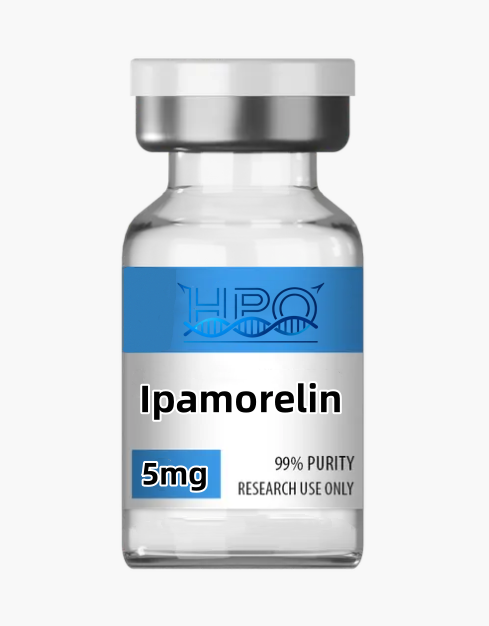
Ipamorelin
Price range: $52.00 through $90.00
Ipamorelin Peptide: Comprehensive Research Guide Ipamorelin is a selective growth hormone-releasing peptide (GHRP) that stimulates the secretion of growth hormone (GH) from the anterior pituitary glan…
DISCLAIMER:
Ipamorelin Peptide: Comprehensive Research Guide
Ipamorelin is a selective growth hormone-releasing peptide (GHRP) that stimulates the secretion of growth hormone (GH) from the anterior pituitary gland through specific activation of the ghrelin receptor (GHSR1a). As a pentapeptide with the sequence Aib-His-D-2-Nal-D-Phe-Lys-NH₂, ipamorelin is renowned for its remarkable selectivity for GH secretion, with minimal effects on prolactin, cortisol, and appetite compared to other GHRPs. This selectivity has made ipamorelin one of the most widely studied and preferred GH secretagogues in endocrinology, aging research, sports science, and metabolic medicine.
First synthesized in the late 1990s as part of a research program to develop selective GH secretagogues, ipamorelin was designed to overcome the limitations of earlier GHRPs such as GHRP-6 and GHRP-2, which caused significant increases in appetite, cortisol, and prolactin secretion. Ipamorelin’s unique molecular structure, incorporating the non-natural amino acid α-aminoisobutyric acid (Aib) and D-2-naphthylalanine (D-2-Nal), provides enhanced receptor selectivity, metabolic stability, and resistance to proteolytic degradation. Researchers worldwide utilize high-purity ipamorelin to investigate growth hormone regulation, body composition changes, metabolic function, aging-related GH decline, and potential therapeutic applications for growth hormone deficiency, sarcopenia, and metabolic disorders.
Molecular Structure and Pharmacological Properties
Ipamorelin is a synthetic pentapeptide with a molecular structure specifically engineered for selective ghrelin receptor activation. Key molecular properties:
- AMINO ACID SEQUENCE: Aib-His-D-2-Nal-D-Phe-Lys-NH₂
- MOLECULAR FORMULA: C₃₇H₅₀N₈O₅
- MOLECULAR WEIGHT: 711.85 Da
- STRUCTURE: Linear pentapeptide with C-terminal amidation, containing non-natural amino acids Aib and D-2-Nal for enhanced stability and selectivity
- SOLUBILITY: Freely soluble in water, PBS, 0.9% NaCl, and dilute acetic acid
- pI: Approximately 9.5 (basic peptide due to C-terminal lysine)
- HALF-LIFE: Approximately 2-4 hours in plasma (significantly longer than GHRP-6 and GHRP-2 due to Aib incorporation)
- POTENCY: EC50 approximately 0.5-2 nM for GHSR1a activation; highly selective for GH secretion with minimal effects on prolactin and cortisol at therapeutic doses
- RECEPTOR SELECTIVITY: Highly selective for GHSR1a (ghrelin receptor); does not significantly activate other GPCRs or hormone receptors at therapeutic concentrations
Mechanism of Action and Receptor Signaling
Ipamorelin exerts its biological effects through specific binding to and activation of the growth hormone secretagogue receptor 1a (GHSR1a), also known as the ghrelin receptor. GHSR1a is a G-protein coupled receptor (GPCR) belonging to the class A rhodopsin-like family, predominantly expressed on somatotroph cells in the anterior pituitary gland, with additional expression in the hypothalamus, hippocampus, ventral tegmental area (VTA), heart, liver, adipose tissue, and gastrointestinal tract. Upon ipamorelin binding, GHSR1a activates multiple intracellular signaling cascades:
- Gq/11-PLC PATHWAY: The primary signaling pathway involves Gq/11 protein activation, leading to phospholipase C (PLC) stimulation, phosphatidylinositol 4,5-bisphosphate (PIP₂) hydrolysis, inositol trisphosphate (IP₃) production, and intracellular calcium mobilization from endoplasmic reticulum stores. Increased cytosolic calcium triggers the exocytosis of preformed growth hormone-containing secretory granules, producing the acute GH secretory response. This is the primary mechanism by which ipamorelin stimulates GH secretion from pituitary somatotrophs.
- Gs-ADENYLATE CYCLASE PATHWAY: GHSR1a activation also couples to Gs proteins, leading to adenylate cyclase stimulation, increased cyclic AMP (cAMP) production, and protein kinase A (PKA) activation. PKA phosphorylates the cAMP response element-binding protein (CREB), which upregulates growth hormone gene transcription and promotes somatotroph proliferation and survival. This pathway contributes to the long-term effects of ipamorelin on GH synthesis and pituitary function.
- MAPK/ERK PATHWAY: Ipamorelin-GHSR1a signaling activates the mitogen-activated protein kinase (MAPK) pathway, including ERK1/2 phosphorylation, which is involved in cell proliferation, differentiation, survival, and gene expression. In the pituitary, this pathway may contribute to somatotroph maintenance and adaptation to chronic GHSR stimulation.
- ION CHANNEL MODULATION: GHSR1a activation modulates various ion channels in somatotrophs, including closure of potassium channels (leading to membrane depolarization), opening of voltage-gated calcium channels (L-type and N-type), and modulation of sodium channels. These electrical changes amplify the calcium signal and enhance GH secretion. GHSR1a also exhibits constitutive (ligand-independent) activity, which may contribute to baseline GH secretion and pituitary function.
Ipamorelin’s remarkable selectivity for GH secretion, with minimal effects on prolactin, cortisol, and appetite, is attributed to its unique molecular structure and receptor binding characteristics. Unlike earlier GHRPs such as GHRP-6 and GHRP-2, which can activate multiple signaling pathways and receptors at higher doses, ipamorelin preferentially activates the Gq-calcium pathway that specifically triggers GH exocytosis, with less activation of pathways leading to prolactin and ACTH/cortisol secretion. Additionally, ipamorelin has reduced penetration into the hypothalamic appetite centers compared to ghrelin and other GHRPs, resulting in minimal appetite stimulation at therapeutic doses. This selectivity profile makes ipamorelin particularly valuable for research applications where specific GH stimulation is desired without the confounding effects of increased appetite, cortisol, or prolactin.
Ipamorelin’s action is regulated by physiological feedback mechanisms, including negative feedback from growth hormone and insulin-like growth factor 1 (IGF-1) on the hypothalamus and pituitary, as well as inhibition by somatostatin (growth hormone-inhibiting hormone). Unlike exogenous growth hormone administration, ipamorelin stimulates pulsatile GH secretion that more closely mimics the natural physiological pattern, potentially reducing side effects and preserving the hypothalamic-pituitary feedback regulation. Ipamorelin is frequently used in combination with GHRH analogs (such as sermorelin or CJC-1295) for synergistic GH stimulation, as GHRH and GHRPs act through different receptors and signaling pathways to amplify GH secretion.
Research Applications
1. Endocrinology and Growth Hormone Research
Ipamorelin is a fundamental tool in growth hormone research due to its selectivity and favorable pharmacological profile:
- Growth Hormone Secretion Physiology: Research into the mechanisms regulating growth hormone secretion, including the roles of GHRH, somatostatin, ghrelin, sex steroids, thyroid hormones, cortisol, metabolic signals, and circadian rhythms. Ipamorelin allows researchers to selectively probe the GHSR1a-mediated component of GH secretion and study its interactions with other regulatory pathways.
- GHSR1a Receptor Pharmacology: Studies of ghrelin receptor (GHSR1a) structure, function, signaling, regulation, desensitization, internalization, and constitutive activity using ipamorelin as a selective agonist ligand. Research includes receptor mutagenesis, ligand-binding kinetics, signaling pathway analysis (Gq vs Gs vs β-arrestin), biased agonism, and receptor allosteric modulation.
- Somatotroph Biology: Studies of pituitary somatotroph cell development, proliferation, differentiation, function, and survival using ipamorelin to stimulate and characterize these cells. Research includes somatotroph stem cell biology, pituitary tumorigenesis, growth hormone gene expression regulation, and the effects of chronic GHSR stimulation on pituitary function.
- Growth Hormone Deficiency Research: Research into the diagnosis, pathophysiology, and treatment of growth hormone deficiency in children and adults. Ipamorelin stimulation testing is being investigated as a potential diagnostic tool for assessing pituitary GH secretory capacity, offering advantages over traditional insulin tolerance testing (ITT) in terms of safety and tolerability. Ipamorelin therapy is also being studied as a potential treatment for adult growth hormone deficiency, offering a more physiological approach to GH replacement.
- Hypothalamic-Pituitary Axis Regulation: Research into the complex regulation of the growth hormone axis, including the interactions between GHRH, somatostatin, ghrelin/GHRPs, sex steroids, thyroid hormones, cortisol, and metabolic signals. Ipamorelin’s selectivity allows researchers to dissect the specific contributions of GHSR1a signaling to overall GH axis regulation and feedback mechanisms.
2. Aging and Longevity Research
Ipamorelin is widely studied in aging research due to the age-related decline in growth hormone secretion (somatopause) and its favorable selectivity profile:
- Somatopause and Age-Related GH Decline: Studies investigating the mechanisms underlying the age-related decline in growth hormone secretion, which begins around age 30 and progresses at approximately 14% per decade. Research examines changes in GHRH secretion, somatostatin tone, ghrelin secretion, somatotroph sensitivity, GHSR1a expression, and GHSR constitutive activity with aging. Ipamorelin is used to assess the pituitary contribution to somatopause and to test whether the pituitary retains the capacity to secrete more GH when stimulated through the GHSR pathway.
- Body Composition Changes: Research into ipamorelin’s effects on age-related body composition changes, including increased fat mass (particularly visceral adipose tissue), decreased lean body mass (sarcopenia), reduced muscle strength, and decreased bone mineral density (osteopenia/osteoporosis). Studies have shown that ipamorelin-induced GH secretion can reduce fat mass, increase lean body mass, improve muscle strength, and enhance bone mineral density in older adults and growth hormone-deficient individuals, with potentially fewer side effects than exogenous GH due to more physiological pulsatile stimulation.
- Sarcopenia and Muscle Aging: Specific research into ipamorelin’s potential for the prevention and treatment of sarcopenia (age-related muscle loss and weakness), a major cause of disability, falls, frailty, and loss of independence in older adults. Studies investigate the effects of ipamorelin-induced GH/IGF-1 secretion on muscle protein synthesis, muscle fiber hypertrophy, satellite cell activation, muscle strength, physical performance, and frailty markers in older adults. Ipamorelin’s selectivity and favorable side effect profile make it particularly attractive for long-term studies in aging populations.
- Metabolic Function: Studies investigating ipamorelin’s effects on age-related metabolic decline, including insulin sensitivity, glucose homeostasis, lipid metabolism, energy expenditure, and body fat distribution. Ipamorelin-induced GH secretion has complex metabolic effects, including lipolysis, increased fatty acid oxidation, and modulation of insulin sensitivity, which are relevant to age-related metabolic syndrome, type 2 diabetes, and cardiovascular disease risk. Research suggests that ipamorelin’s more physiological GH stimulation may offer metabolic benefits with less risk of insulin resistance compared to exogenous GH therapy.
- Cognitive Function and Neuroprotection: Emerging research suggests that ipamorelin and growth hormone may have neuroprotective and cognitive-enhancing effects in aging. Growth hormone, IGF-1, and GHSR1a receptors are expressed throughout the brain, particularly in the hippocampus, cortex, and hypothalamus, and studies have shown that GH secretion is associated with cognitive function, memory, learning, and mood. Ipamorelin is being investigated for its potential to improve cognitive function, reduce age-related neurodegeneration, enhance neurogenesis, and improve quality of life in older adults. The ability of ipamorelin to cross the blood-brain barrier and activate central GHSR receptors may contribute to these potential neurological benefits.
- Cardiovascular Function: Research into ipamorelin’s effects on age-related cardiovascular decline, including cardiac function, vascular health, blood pressure, lipid profiles, and cardiovascular risk markers. Growth hormone deficiency is associated with increased cardiovascular risk, including impaired cardiac function, increased vascular stiffness, dyslipidemia, and increased inflammatory markers. Studies have shown that GH replacement (including via GHSR stimulation) can improve cardiac output, reduce peripheral vascular resistance, improve lipid profiles, reduce inflammatory markers, and decrease cardiovascular risk. Ipamorelin’s selectivity and physiological GH stimulation may offer cardiovascular benefits with a more favorable side effect profile compared to exogenous GH.
- Bone Health and Osteoporosis: Specific research into ipamorelin’s effects on age-related bone loss, osteoporosis, and fracture risk. Growth hormone and IGF-1 play critical roles in bone metabolism, including osteoblast proliferation and differentiation, bone formation, calcium metabolism, and bone mineral density acquisition. Studies have shown that GH replacement can increase bone mineral density, reduce bone turnover markers, and potentially reduce fracture risk in GH-deficient and osteoporotic individuals. Ipamorelin is being investigated as a potential therapeutic approach for age-related bone loss and osteoporosis, particularly in combination with exercise and other bone-protective therapies.
- Quality of Life and Well-being: Studies investigating ipamorelin’s effects on quality of life, sleep quality, energy levels, mood, motivation, sexual function, and overall well-being in aging adults and growth hormone-deficient individuals. Clinical research has shown that GH replacement therapy can improve quality of life measures, including energy, vitality, social functioning, mental health, sleep quality, and sexual function. Ipamorelin may offer a more physiological and sustainable approach to achieving these quality of life benefits, with potentially fewer side effects and better long-term tolerability compared to exogenous GH therapy.
3. Sports Science and Exercise Research
Ipamorelin is studied in sports science for its effects on exercise performance, recovery, and body composition:
- Muscle Growth and Strength: Research into ipamorelin’s effects on muscle protein synthesis, muscle fiber hypertrophy, satellite cell activation, strength gains, and exercise adaptation. Growth hormone is a potent anabolic hormone, and studies have shown that enhanced GH secretion (including via ipamorelin) can increase lean body mass and muscle strength, particularly when combined with resistance training. Ipamorelin’s selectivity for GH secretion, with minimal effects on cortisol and prolactin, makes it attractive for sports science research where specific anabolic effects are desired without the confounding effects of stress hormone elevation.
- Exercise Recovery: Studies investigating ipamorelin’s effects on exercise-induced muscle damage, inflammation, recovery time, muscle soreness, and training adaptation. Growth hormone plays a role in tissue repair and recovery, and ipamorelin-induced GH secretion may enhance recovery from intense exercise, reduce muscle damage markers, reduce delayed onset muscle soreness (DOMS), and improve training tolerance and adaptation. Research is particularly focused on the potential of ipamorelin to enhance recovery in athletes undergoing high-intensity training, competition, or rehabilitation from injury.
- Fat Metabolism and Body Composition: Research into ipamorelin’s effects on exercise-induced fat oxidation, body composition changes, weight management, and body fat reduction in athletes and active individuals. Growth hormone stimulates lipolysis, increases fatty acid oxidation, and promotes the use of fat as an energy source, particularly during exercise and fasting. Ipamorelin may enhance the fat-burning effects of exercise while preserving lean body mass, making it relevant for research into body composition optimization, weight class sports, and athletic performance.
- Bone and Connective Tissue Health: Studies investigating ipamorelin’s effects on bone mineral density, collagen synthesis, tendon and ligament strength, connective tissue repair, and injury prevention in athletes. Growth hormone and IGF-1 play important roles in bone and connective tissue health, including collagen synthesis, extracellular matrix production, tissue remodeling, and repair. Ipamorelin may help prevent sports-related injuries, improve recovery from musculoskeletal injuries (such as tendonitis, ligament sprains, and stress fractures), and enhance connective tissue adaptation to training.
- Exercise Performance and Endurance: Emerging research into ipamorelin’s effects on exercise performance, endurance capacity, oxygen consumption, lactate threshold, and fatigue resistance. While growth hormone’s effects on athletic performance are complex and controversial, some studies suggest that enhanced GH secretion may improve exercise capacity, particularly in GH-deficient individuals or older adults, through effects on body composition, muscle function, cardiac output, and substrate utilization. Ipamorelin is being investigated for its potential to enhance exercise performance and physical function in various populations, while researchers emphasize the importance of distinguishing between physiological GH replacement and supraphysiological GH abuse in sports.
- Training Adaptation and Periodization: Research into the integration of ipamorelin with exercise training programs, including the timing of administration relative to exercise, the effects on training adaptation, the potential for synergistic effects with different exercise modalities (resistance vs endurance vs interval training), and the concept of “anabolic window” for GH secretion. Studies investigate whether ipamorelin administration at specific times (e.g., before exercise, after exercise, or at bedtime) can enhance the natural GH response to exercise and optimize training adaptations.
4. Metabolic and Obesity Research
Ipamorelin is studied for its metabolic effects in obesity, metabolic syndrome, and related conditions:
- Obesity and Weight Management: Research into ipamorelin’s effects on body weight, fat mass, lean body mass, energy expenditure, appetite regulation, and weight management in obese and overweight individuals. Obesity is associated with reduced GH secretion (functional GH deficiency), which may contribute to the accumulation of fat mass, particularly visceral adipose tissue, and the loss of lean body mass. Studies have shown that enhancing GH secretion via ipamorelin can promote fat loss, particularly visceral fat, while preserving or increasing lean body mass, potentially improving body composition and metabolic health in obese individuals. Importantly, ipamorelin’s minimal effect on appetite (unlike ghrelin and other GHRPs) makes it particularly suitable for obesity research where appetite stimulation would be undesirable.
- Insulin Sensitivity and Glucose Homeostasis: Studies investigating ipamorelin’s effects on insulin sensitivity, glucose tolerance, pancreatic beta-cell function, hepatic glucose production, and glycemic control. Growth hormone has complex effects on glucose metabolism, including both insulin-antagonistic (diabetogenic) effects (particularly at high supraphysiological doses) and potentially beneficial effects on body composition and fat distribution (which may indirectly improve insulin sensitivity). Ipamorelin’s more physiological, pulsatile GH stimulation may offer metabolic benefits with less risk of insulin resistance compared to exogenous GH therapy, which produces more constant, non-physiological GH levels. Research is investigating the effects of ipamorelin on insulin sensitivity and glucose homeostasis in various populations, including obese individuals, older adults, and those with prediabetes or type 2 diabetes.
- Lipid Metabolism and Dyslipidemia: Research into ipamorelin’s effects on lipid profiles, including total cholesterol, LDL cholesterol, HDL cholesterol, triglycerides, lipoprotein(a), apolipoproteins, and lipid particle size and density. Growth hormone deficiency is associated with adverse lipid profiles, including increased LDL cholesterol, increased triglycerides, reduced HDL cholesterol, and increased atherogenic lipoprotein particles. Studies have shown that GH replacement can improve lipid parameters, particularly reducing LDL cholesterol and triglycerides, and may have beneficial effects on lipoprotein(a) and apolipoprotein profiles. Ipamorelin may offer similar benefits through physiological GH stimulation, with potentially fewer metabolic side effects compared to exogenous GH.
- Non-Alcoholic Fatty Liver Disease (NAFLD) and NASH: Emerging research suggests that ipamorelin and GH may have beneficial effects on non-alcoholic fatty liver disease (NAFLD) and non-alcoholic steatohepatitis (NASH), which are increasingly common metabolic disorders associated with obesity, insulin resistance, and metabolic syndrome. Growth hormone plays a role in hepatic lipid metabolism, and GH deficiency is associated with increased hepatic fat accumulation (hepatic steatosis). Studies are investigating whether ipamorelin-induced GH secretion can reduce hepatic steatosis, improve liver enzyme levels, reduce hepatic inflammation, and potentially slow the progression of fibrosis in NAFLD/NASH. Ipamorelin’s selectivity and favorable metabolic profile make it an attractive candidate for this research area.
- Metabolic Syndrome and Cardiovascular Risk: Research into ipamorelin’s effects on the multiple components of metabolic syndrome (abdominal obesity, hypertension, hyperglycemia, dyslipidemia) and overall cardiovascular risk. Metabolic syndrome is a cluster of metabolic abnormalities that significantly increase the risk of type 2 diabetes, cardiovascular disease, and all-cause mortality. Growth hormone deficiency and reduced GH secretion are associated with an increased prevalence of metabolic syndrome and cardiovascular risk factors. Studies are investigating whether ipamorelin-induced GH secretion can improve multiple components of metabolic syndrome simultaneously, including body composition, blood pressure, glucose metabolism, lipid profiles, and inflammatory markers, potentially reducing overall cardiovascular risk.
- Energy Expenditure and Thermogenesis: Studies investigating ipamorelin’s effects on resting metabolic rate, total daily energy expenditure, substrate oxidation (carbohydrate vs fat oxidation), thermogenesis, and brown adipose tissue (BAT) activity. Growth hormone is known to increase energy expenditure and fat oxidation, and may stimulate brown adipose tissue activity and thermogenesis. Ipamorelin may enhance these metabolic effects through physiological GH stimulation, potentially contributing to weight management and metabolic health. Research is particularly focused on understanding the mechanisms by which GH and GHSR stimulation regulate energy metabolism and body composition.
5. Sleep and Circadian Rhythm Research
Ipamorelin is studied for its interactions with sleep, circadian rhythms, and GH secretion patterns:
- Sleep-Dependent GH Secretion: Research into the relationship between sleep, particularly slow-wave sleep (SWS) and deep sleep, and growth hormone secretion. The majority of daily GH secretion occurs during the first hours of sleep in association with slow-wave sleep, and this sleep-dependent GH secretion is mediated in part by GHSR1a signaling and endogenous ghrelin. Ipamorelin is used to study the mechanisms underlying sleep-dependent GH secretion, including the roles of GHRH, somatostatin, ghrelin/GHSR, sleep architecture, circadian rhythms, and the interactions between sleep and the GH axis.
- Sleep Quality and Architecture: Studies investigating ipamorelin’s effects on sleep quality, sleep duration, sleep efficiency, sleep onset latency, sleep stage distribution (particularly slow-wave sleep and REM sleep), sleep fragmentation, and sleep-related hormone secretion. Growth hormone and IGF-1 may feedback to regulate sleep architecture, and GH replacement therapy has been associated with improvements in sleep quality, particularly in growth hormone-deficient individuals and older adults. Ipamorelin is being investigated for its potential to improve sleep quality and architecture, potentially through its effects on GH secretion, GHSR activation in sleep-regulating brain regions, and the interaction between the GH axis and sleep-wake regulation.
- Circadian Rhythm Regulation: Research into the circadian regulation of GHSR expression, ghrelin secretion, GH secretion, and how ipamorelin interacts with the circadian timing system. GH secretion follows a pronounced circadian pattern, with the largest pulses occurring at night during sleep, and GHSR1a expression and ghrelin secretion also exhibit circadian rhythmicity. Ipamorelin’s effects may vary depending on the time of administration relative to the circadian cycle, and research is investigating the optimal timing of ipamorelin administration (e.g., bedtime vs morning vs pre-exercise) to maximize desired effects while minimizing disruption to natural circadian rhythms.
- Sleep Disorders and GH Axis Dysfunction: Studies investigating the relationship between sleep disorders (such as insomnia, sleep apnea, circadian rhythm disorders) and GH axis dysfunction, and the potential role of ipamorelin in these conditions. Sleep disorders are associated with reduced GH secretion, impaired sleep-dependent GH pulses, and metabolic disturbances. Research is investigating whether ipamorelin can help normalize GH secretion patterns, improve sleep quality, and mitigate the metabolic consequences of sleep disorders, particularly in older adults and individuals with sleep-related GH deficiency.
6. Neurological and Psychiatric Research
Ipamorelin is increasingly studied for its potential neurological and psychiatric effects, mediated through central GHSR1a activation and GH/IGF-1 effects:
- Cognitive Function and Memory: Research into ipamorelin’s effects on cognitive function, memory, learning, executive function, processing speed, and attention. GHSR1a receptors are highly expressed in the hippocampus, cortex, and other brain regions involved in cognition and memory, and ghrelin/GHSR signaling has been shown to enhance memory formation, learning, and synaptic plasticity. Growth hormone and IGF-1 also have important neurotrophic and cognitive effects. Studies are investigating whether ipamorelin can improve cognitive function, particularly in older adults, individuals with mild cognitive impairment, or those with GH deficiency, and whether it may have potential for the prevention or treatment of age-related cognitive decline and neurodegenerative diseases.
- Neuroprotection and Neurodegenerative Diseases: Studies investigating ipamorelin’s potential neuroprotective effects in models of neurodegenerative diseases, including Alzheimer’s disease, Parkinson’s disease, Huntington’s disease, and amyotrophic lateral sclerosis (ALS). GHSR1a activation and GH/IGF-1 signaling have been shown to have neuroprotective effects, including reducing oxidative stress, inhibiting apoptosis, reducing neuroinflammation, promoting neurogenesis, enhancing synaptic plasticity, and improving neuronal survival. Ipamorelin is being investigated for its potential to slow neurodegeneration, preserve cognitive and motor function, and improve outcomes in various neurological conditions, although research in this area is still in early stages.
- Mood and Anxiety Disorders: Research into ipamorelin’s effects on mood, anxiety, depression, emotional regulation, and stress responses. GHSR1a receptors are expressed in brain regions involved in mood and emotion regulation, including the amygdala, hippocampus, hypothalamus, and prefrontal cortex, and ghrelin/GHSR signaling has complex effects on mood, anxiety, and stress responses. Growth hormone deficiency is associated with increased rates of depression, anxiety, and reduced quality of life, and GH replacement therapy has been shown to improve mood and psychological well-being. Ipamorelin is being investigated for its potential to improve mood, reduce anxiety and depression symptoms, and enhance psychological well-being, particularly in older adults and GH-deficient individuals.
- Addiction and Reward Research: Studies investigating the role of GHSR1a signaling in addiction, reward processing, craving, and substance use disorders, and the potential of ipamorelin as a research tool in this area. GHSR1a receptors are highly expressed in the mesolimbic dopamine reward pathway, including the ventral tegmental area (VTA) and nucleus accumbens, and ghrelin/GHSR signaling has been shown to modulate reward processing, craving, and the reinforcing effects of drugs of abuse, including alcohol, cocaine, opioids, and nicotine. Ipamorelin, as a selective GHSR agonist, is used to study the role of GHSR signaling in addiction and reward, and GHSR antagonists are being investigated as potential treatments for substance use disorders.
- Stress Response and HPA Axis: Research into the interactions between ipamorelin/GHSR signaling and the hypothalamic-pituitary-adrenal (HPA) axis, stress responses, cortisol regulation, and stress-related disorders. Ghrelin and GHSR signaling interact with the HPA axis at multiple levels, and GHSR activation can modulate cortisol secretion, stress responses, and stress-related behaviors. Importantly, ipamorelin’s selectivity for GH secretion, with minimal effects on cortisol at therapeutic doses, distinguishes it from other GHRPs and makes it valuable for studying the specific contributions of GHSR-mediated GH secretion vs GHSR-mediated HPA axis activation. Research is investigating the complex interactions between GHSR signaling, the GH axis, the HPA axis, and stress-related physiological and behavioral responses.
Product Specifications
| Parameter | Value |
|---|---|
| Compound Name | Ipamorelin |
| Amino Acid Sequence | Aib-His-D-2-Nal-D-Phe-Lys-NH₂ |
| CAS Number | 170851-70-4 |
| Molecular Formula | C₃₇H₅₀N₈O₅ |
| Molecular Weight | 711.85 Da |
| Purity | ≥98% (HPLC verified) |
| Appearance | White lyophilized powder |
| Solubility | Freely soluble in water, PBS, 0.9% NaCl, dilute acetic acid |
| Modification | C-terminal amidation; contains non-natural amino acids Aib and D-2-Nal |
| Acetate Content | ≤15% (w/w) (if acetate salt form) |
| Water Content | ≤5% (Karl Fischer) |
| Endotoxin | <1 EU/mg (LAL method) |
| Storage | -20°C, sealed, protected from light and moisture |
| Shelf Life | 24 months from date of manufacture |
Reconstitution and Handling Guidelines
For optimal results in laboratory research:
- Allow the vial to equilibrate to room temperature before opening to prevent condensation
- Reconstitute with sterile water, bacteriostatic water, 0.9% NaCl, or dilute acetic acid (0.1-1%) to a desired concentration (typically 0.5-5 mg/mL)
- Gently swirl the vial until complete dissolution; avoid vigorous shaking or vortexing, which can denature the peptide
- For cell culture experiments, filter-sterilize the reconstituted solution using a 0.22 μm filter
- Aliquot into working volumes to avoid repeated freeze-thaw cycles
- Store lyophilized powder at -20°C; store reconstituted solutions at -20°C or -80°C for long-term use
- Reconstituted solutions are stable for 7-14 days at 2-8°C (in bacteriostatic water) and up to 3 months at -20°C
- Avoid exposure to strong proteases, extreme pH, and high temperatures
- Note: Ipamorelin is relatively stable to proteolytic degradation due to the incorporation of non-natural amino acids (Aib and D-2-Nal), but should still be handled with care to maintain activity
Frequently Asked Questions (FAQ)
Q1: What is the difference between ipamorelin and other GHRPs (GHRP-6, GHRP-2, hexarelin)?
Ipamorelin, GHRP-6, GHRP-2, and hexarelin are all growth hormone-releasing peptides that act through the ghrelin receptor (GHSR1a), but they differ significantly in their molecular structure, receptor selectivity, pharmacokinetics, and side effect profiles:
– vs. GHRP-6: GHRP-6 is the original hexapeptide GHRP with the sequence His-D-Trp-Ala-Trp-D-Phe-Lys-NH₂. It strongly stimulates GH secretion but also causes significant appetite stimulation (through central GHSR activation), increases cortisol and prolactin secretion at higher doses, and has a shorter half-life. Ipamorelin is more selective for GH secretion, with minimal effects on appetite, cortisol, and prolactin at therapeutic doses, and has a longer half-life due to non-natural amino acid incorporation.
– vs. GHRP-2: GHRP-2 (also known as KP-102) is a hexapeptide with the sequence D-Ala-D-β-Nal-Ala-Trp-D-Phe-Lys-NH₂. It is more potent than GHRP-6 in stimulating GH secretion but also causes significant increases in cortisol and prolactin, and some appetite stimulation. Ipamorelin has comparable GH-releasing potency but with significantly less cortisol and prolactin elevation and minimal appetite effects.
– vs. Hexarelin: Hexarelin is a hexapeptide with the sequence His-D-2-Me-Trp-Ala-Trp-D-Phe-Lys-NH₂. It is the most potent GHRP in terms of GH secretion but also has the most significant effects on cortisol, prolactin, and appetite, and may have cardiac effects (through GHSR activation in the heart). Ipamorelin is slightly less potent but has a much more favorable selectivity and side effect profile.
In summary, ipamorelin offers the best balance of GH-releasing potency, receptor selectivity, metabolic stability, and minimal side effects among the GHRPs, making it the preferred choice for many research applications where specific GH stimulation is desired without the confounding effects of appetite, cortisol, or prolactin elevation.
Q2: What purity level is recommended for research?
For most research applications, ≥98% purity (HPLC verified) is recommended. Our ipamorelin meets this standard and undergoes comprehensive quality control, including mass spectrometry verification (confirming molecular weight and C-terminal amidation), amino acid analysis, endotoxin testing (<1 EU/mg), and microbial screening. For highly sensitive in vivo studies, cell culture experiments, or clinical research, we can provide ≥99% purity with additional quality testing (including peptide mapping, chiral analysis for D-amino acid verification, residual solvent testing, and host cell protein analysis) upon request. Note that the incorporation of non-natural amino acids (Aib and D-2-Nal) and C-terminal amidation are essential for full biological activity and receptor selectivity; our ipamorelin products include these modifications and verify them through mass spectrometry, amino acid analysis, and biological activity testing.
Q3: Can ipamorelin be used in cell culture experiments?
Yes, ipamorelin is suitable for cell culture experiments with pituitary somatotrophs, GHSR1a-expressing cell lines (e.g., GHSR-transfected HEK293 cells, AtT-20 cells, GH3 cells), primary pituitary cultures, and various other cell types expressing GHSR1a (e.g., cardiomyocytes, hepatocytes, adipocytes, neuronal cells). It is soluble in standard culture media and relatively stable due to non-natural amino acid incorporation, although some degradation may occur over extended culture periods. Typical working concentrations range from 0.1 nM to 1 μM for in vitro studies, depending on the assay and cell type. The EC50 for GHSR1a activation is approximately 0.5-2 nM. For extended experiments (>24-48 hours), refresh media with fresh ipamorelin every 24-48 hours or use stable analogs. Filter-sterilize reconstituted solutions before adding to cell cultures. Note that ipamorelin may exhibit constitutive GHSR activity modulation and should be used with appropriate controls for receptor specificity (e.g., GHSR antagonists such as [D-Lys³]-GHRP-6 or YIL-781).
Q4: What is the typical dosage range for animal studies?
Dosage varies by species, administration route, and research objective. Common ranges include:
– Rodents (acute): 0.01-1 mg/kg (IP/SC/IV), typically administered at bedtime or before exercise to align with circadian GH secretion
– Rodents (chronic): 0.01-0.5 mg/kg/day (SC injection, typically 1-2 times daily), or continuous infusion via osmotic minipump, typically for 4-12 weeks
– Primates: 0.001-0.1 mg/kg (SC/IV)
– Humans (clinical research/therapy): 0.1-1 mg (SC injection, typically at bedtime or 1-2 times daily), individualized based on body weight, response, and tolerability
Ipamorelin has a relatively long half-life (~2-4 hours) compared to other GHRPs, but repeated daily injections (typically 1-3 times per day) or continuous infusion are often used for chronic studies to maintain sustained GH stimulation. Bedtime administration is commonly used to mimic and enhance the natural nocturnal GH pulse. Researchers should consult relevant literature and perform dose-response studies to optimize protocols for their specific applications. Note that ipamorelin’s effects on GH secretion are subject to negative feedback regulation, and chronic administration may lead to some degree of pituitary desensitization, although this appears to be less pronounced than with continuous GHRH or GH administration.
Q5: How does ipamorelin compare to GHRH analogs (sermorelin, CJC-1295)?
Ipamorelin (a GHRP/ghrelin receptor agonist) and GHRH analogs (sermorelin, CJC-1295) both stimulate growth hormone secretion, but they act through different receptors and mechanisms:
– Receptor: Ipamorelin acts through the ghrelin receptor (GHSR1a) on pituitary somatotrophs; GHRH analogs act through the GHRH receptor (GHRHR), a distinct GPCR also expressed on somatotrophs.
– Mechanism: Ipamorelin primarily activates the Gq-calcium pathway, triggering acute GH exocytosis; GHRH analogs primarily activate the Gs-cAMP-PKA pathway, stimulating both acute GH secretion and long-term GH gene transcription and somatotroph proliferation.
– Synergy: GHRH and GHRPs have a well-documented synergistic effect on GH secretion, as they act through complementary receptors and signaling pathways to amplify the GH response. The combination of ipamorelin + sermorelin (or CJC-1295) is widely used in research to achieve robust, physiological GH stimulation that exceeds the effects of either agent alone.
– Selectivity: Ipamorelin is highly selective for GH secretion with minimal effects on cortisol, prolactin, and appetite; GHRH analogs are also relatively selective for GH but may have different side effect profiles (e.g., flushing, headache) and may be more susceptible to DPP-IV degradation (unless modified, as in CJC-1295).
– Duration: Ipamorelin has a half-life of ~2-4 hours; sermorelin has a shorter half-life (~10-15 minutes); CJC-1295 with DAC has a much longer half-life (~6-8 days) due to albumin binding.
Researchers often use ipamorelin in combination with GHRH analogs for synergistic GH stimulation, and the choice of specific agents depends on the research objectives, desired duration of action, and side effect considerations.
Q6: Is ipamorelin stable in solution?
Ipamorelin is relatively stable in solution compared to other GHRPs and peptide hormones, due to the incorporation of non-natural amino acids (α-aminoisobutyric acid/Aib and D-2-naphthylalanine/D-2-Nal) that confer resistance to proteolytic degradation by aminopeptidases, dipeptidyl peptidases, and endopeptidases. In neutral aqueous solutions at refrigerated temperatures (2-8°C), reconstituted ipamorelin is stable for 7-14 days, particularly when reconstituted in bacteriostatic water (containing 0.9% benzyl alcohol) to inhibit microbial growth. For long-term storage, reconstituted solutions should be aliquoted and stored at -20°C or -80°C, where they remain stable for up to 3 months. Avoid repeated freeze-thaw cycles, exposure to light, and extreme pH conditions (ipamorelin is most stable at pH 4-7). For in vivo experiments, prepare ipamorelin solutions fresh or use bacteriostatic water for multi-day use. For extended cell culture experiments (>48-72 hours), refresh media with fresh ipamorelin every 48-72 hours. Note that while ipamorelin is more stable than many other peptides, it is still susceptible to degradation under harsh conditions (extreme pH, high temperature, strong proteases), and proper storage and handling are essential to maintain biological activity.
Q7: Can ipamorelin be used in combination with other peptides or treatments?
Yes, ipamorelin is frequently used in combination with other agents in research settings, and some of the most common combinations include:
– Combination with GHRH analogs (sermorelin, CJC-1295 with/without DAC): This is the most common and well-studied combination, leveraging the synergistic effects of GHRH and GHRP on GH secretion. The combination of ipamorelin + CJC-1295 (without DAC) or ipamorelin + sermorelin is widely used in research to achieve robust, physiological GH pulsatility with minimal side effects.
– Combination with other GHRPs (GHRP-2, GHRP-6, hexarelin): Less common due to overlapping mechanisms, but sometimes used to study GHSR pharmacology or to achieve different GH secretion profiles.
– Combination with IGF-1 or IGF-1 LR3: Used to study the downstream effects of GH/IGF-1 axis activation, body composition changes, muscle growth, and metabolic effects. Note that IGF-1 administration may feedback to suppress endogenous GH secretion.
– Combination with testosterone, anabolic steroids, or selective androgen receptor modulators (SARMs): Used in sports science and body composition research to study the synergistic effects of GH and androgens on muscle growth, strength, body composition, and physical performance.
– Combination with insulin, metformin, GLP-1 agonists, or other metabolic agents: Used in metabolic research to study the interactions between GH secretion, insulin sensitivity, glucose homeostasis, and body weight regulation.
– Combination with resistance training, endurance exercise, calorie restriction, intermittent fasting, or other lifestyle interventions: Used in aging, obesity, and sports science research to study the combined effects of GH stimulation and lifestyle modifications on body composition, metabolic function, physical performance, and healthspan.
Researchers should carefully design combination studies, including appropriate controls for each agent alone and in combination, to assess synergistic, additive, or antagonistic effects. Note that combination therapies may have increased risk of side effects, particularly when combining multiple GH-stimulating agents or GH-stimulating agents with anabolic steroids or other potent metabolic modulators.
Related Research Peptides
Researchers studying ipamorelin often explore these complementary peptides:
- Sermorelin Acetate – GHRH analog (1-29) that stimulates GH secretion through the GHRH receptor; commonly used in combination with ipamorelin for synergistic effects
- CJC-1295 (No DAC) – Modified GHRH analog with increased DPP-IV resistance and longer half-life; frequently combined with ipamorelin for enhanced GH secretion
- CJC-1295 (With DAC) – Long-acting GHRH analog with albumin-binding domain for sustained GH stimulation (half-life ~6-8 days)
- GHRP-2 – Potent GHRP with strong GH-releasing activity but also significant cortisol and prolactin elevation
- GHRP-6 – Classic hexapeptide GHRP with potent GH secretion and strong appetite-stimulating effects
- Hexarelin – Most potent GHRP for GH secretion but with significant cortisol, prolactin, and cardiac effects
- IGF-1 LR3 – Long-acting insulin-like growth factor 1 analog, the primary downstream mediator of many GH effects
- MK-677 (Ibutamoren) – Oral non-peptide ghrelin receptor agonist with long half-life for sustained GH secretion
- Tesamorelin – GHRH analog approved for the treatment of HIV-associated lipodystrophy
Quality Assurance
Our ipamorelin is manufactured under strict GMP conditions and undergoes comprehensive quality testing:
- HPLC purity analysis (≥98%)
- Mass spectrometry molecular weight verification (confirming C-terminal amidation and non-natural amino acid incorporation)
- Amino acid composition analysis and N-terminal sequencing
- Chiral analysis to verify D-amino acid (D-2-Nal) configuration
- Peptide mapping and identity verification
- Acetate content determination (≤15%, if acetate salt form)
- Endotoxin testing (LAL method, <1 EU/mg)
- Microbial contamination screening (sterility testing)
- Water content determination (Karl Fischer, ≤5%)
- Biological activity verification (GH secretion assay in pituitary cell culture or animal models; GHSR1a receptor binding assay)
- Residual solvent testing (TFA, acetonitrile, methanol)
Each batch is accompanied by a Certificate of Analysis (COA) detailing all test results, including purity, molecular weight, non-natural amino acid verification, and biological activity. We maintain complete batch records for full traceability and regulatory compliance. Custom synthesis of ipamorelin analogs, labeled peptides (isotopic, fluorescent, biotinylated), modified formulations, and combination products (e.g., ipamorelin + CJC-1295 blends) is available upon request.
Important Disclaimer
FOR RESEARCH USE ONLY. This product is intended exclusively for laboratory and scientific research purposes. It is not approved for human consumption, clinical diagnosis, therapeutic treatment, veterinary use, or cosmetic formulation, except where specifically approved by regulatory authorities for indicated medical uses. Ipamorelin is a potent biologically active peptide with significant effects on the endocrine system, particularly growth hormone secretion; all experiments must be conducted by qualified researchers in accordance with institutional biosafety guidelines, animal care protocols, and applicable regulations. Purchasers assume full responsibility for proper handling, storage, and use of this research material. This product is not intended for self-administration or use outside of approved research settings. Researchers should note that ipamorelin may cause side effects including injection site reactions, flushing, headache, nausea, dizziness, fatigue, water retention, numbness or tingling, and in rare cases, allergic reactions or glucose intolerance. In vivo studies should be conducted with appropriate ethical review and monitoring of growth hormone, IGF-1, glucose, insulin, cortisol, prolactin, and other relevant endocrine and metabolic parameters. The use of ipamorelin for performance enhancement in sports is prohibited by most athletic governing bodies, and researchers should be aware of the regulatory and ethical considerations surrounding the use of GH secretagogues in both research and clinical settings.
European Country-Specific Buying Guides
- Peptide Research in Europe: Legal Status, Sourcing & Quality Guide 2026
- PEG MGF Kopen in Nederland: Complete Gids voor Onderzoekers 2026 (Dutch)
- Acheter PEG MGF en France: Guide Complet pour Chercheurs 2026 (French)
- Comprar Sermorelina en España: Guía Completa para Investigadores 2026 (Spanish)
- PEG MGF Kaufen in Deutschland: Vollständiger Leitfaden für Forscher 2026 (German)
- Acquistare PEG MGF in Italia: Guida Completa per Ricercatori 2026 (Italian)
- Kupno PEG MGF w Polsce: Kompletny Przewodnik dla Badaczy 2026 (Polish)
- Köpa PEG MGF i Sverige: Komplett Guide för Forskare 2026 (Swedish)
- Comprar PEG MGF no Brasil: Guia Completo para Pesquisadores 2026 (Portuguese/Brazil)
- Comprar Sermorelina en México: Guía Completa para Investigadores 2026 (Spanish/Mexico)
🌍 Regional Guides for Researchers
Looking for country-specific guidance? Explore our regional research peptide guides:
🇹🇭 Southeast Asia
- Buying Research Peptides in Thailand: Complete Guide
- Buying Research Peptides in Vietnam: Complete Guide
- Buying Research Peptides in Malaysia: Complete Guide
- Buying Research Peptides in the Philippines: Complete Guide
🇹🇷 Middle East & Eurasia
- Buying Research Peptides in Turkey: Complete Guide
- شراء الببتيدات البحثية في المملكة العربية السعودية (Arabic)
🌍 更多地区研究肽类购买指南
探索我们为全球研究人员准备的地区专属指南:
🇫🇷 法语地区
🇪🇸 西班牙语地区
- Compra de péptidos de investigación en Perú
- Compra de péptidos de investigación en Venezuela
- Compra de péptidos de investigación en Cuba
- Compra de péptidos de investigación en República Dominicana
🇬🇧 英语地区(非洲)
- Buying Research Peptides in Kenya
- Buying Research Peptides in Ethiopia
- Buying Research Peptides in Ghana
🇸🇦 阿拉伯语地区(北非)
Related UK Research Guides
- Buying CJC-1295 Peptides in the UK: Researcher’s Complete Sourcing Guide 2026
- Buying Ipamorelin Peptides in the UK: Researcher’s Complete Sourcing Guide 2026
- Buying Sermorelin Peptides in the UK: Researcher’s Complete Sourcing Guide 2026
- Buying Semaglutide Peptides in the UK: Complete MHRA Compliance Guide
- Buying Tirzepatide Peptides in the UK: Research & Sourcing Complete Guide
Related Research Guides
Expand your peptide research knowledge with our comprehensive guides:
- Peptides for Anti-Aging: Complete Research Guide 2026
- Peptides for Cognitive Enhancement: Nootropic Research Guide 2026
- Peptides for Metabolic Health: Weight Loss Research Guide 2026
- Peptides for Athletic Performance: Muscle Growth Research Guide 2026
Related Peptide Research Guides
- Peptides for Bone Health and Mineral Metabolism: Complete Research Guide 2026
- Peptides for Emotional Health and Stress Management: Complete Research Guide 2026
- Peptides for Exercise Recovery and Muscle Repair: Complete Research Guide 2026
- Peptides for Cognitive Enhancement and Neuroprotection: Complete Research Guide 2026
- Peptides for Metabolic Health and Insulin Sensitivity: Complete Research Guide 2026
- Peptides for Skin Health and Anti-Aging: Complete Research Guide 2026
- Peptides for Sleep Optimization and Circadian Rhythm: Complete Research Guide 2026
- Peptides for Sexual Health and Fertility: Complete Research Guide 2026
| Specification | 5mg*10vials, 10mg*10vials |
|---|
Only logged in customers who have purchased this product may leave a review.
Related products




Reviews
There are no reviews yet.