
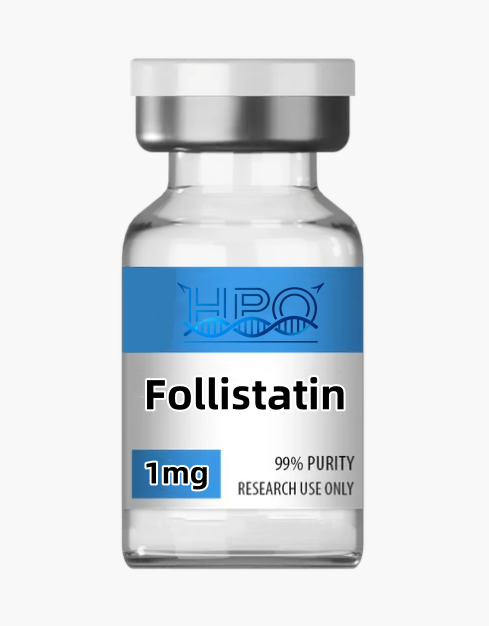
Follistatin
$180.00
Follistatin: Comprehensive Research Guide Follistatin (also known as activin-binding protein or FST) is a naturally occurring glycoprotein that has gained significant attention in muscle growth, body …
DISCLAIMER:
Follistatin: Comprehensive Research Guide
Follistatin (also known as activin-binding protein or FST) is a naturally occurring glycoprotein that has gained significant attention in muscle growth, body composition, and regenerative medicine research for its remarkable ability to bind and inhibit myostatin (growth differentiation factor 8, GDF-8) and activin, two key negative regulators of muscle mass. Originally discovered in 1987 as a follicle-stimulating hormone (FSH)-suppressing protein in ovarian follicular fluid, follistatin has since been found to be expressed in nearly all tissues and to play critical roles in muscle development, embryonic development, wound healing, inflammation, metabolism, and cancer. Follistatin exerts its effects primarily by binding to and neutralizing members of the transforming growth factor-beta (TGF-β) superfamily, including myostatin, activin, and growth differentiation factor 11 (GDF-11), thereby blocking their signaling through the activin receptor type IIB (ActRIIB) pathway and releasing the brake on muscle growth. In preclinical studies, follistatin administration or gene therapy has been shown to produce dramatic increases in skeletal muscle mass (up to 2-3 fold), reduced fat mass, improved muscle strength and endurance, enhanced muscle regeneration after injury, and potential benefits in muscle wasting disorders, muscular dystrophy, age-related sarcopenia, cancer cachexia, and metabolic disease. At Hanpro Peptides, we provide high-purity recombinant Follistatin for research purposes only, manufactured to the highest quality standards and tested for purity and biological activity.
Molecular Structure and Properties
Follistatin is a single-chain glycoprotein consisting of 315 amino acids (in its longest isoform, FST315), with a molecular weight of approximately 35-40 kDa (depending on glycosylation). The protein is composed of several distinct structural domains: (1) An N-terminal domain (residues 1-63) that is critical for binding to TGF-β family ligands, particularly myostatin and activin; (2) Three follistatin domains (FSD1, FSD2, FSD3), each approximately 70-75 amino acids long, containing conserved cysteine residues that form disulfide bonds and contribute to the protein’s stable, compact structure; (3) A C-terminal domain that varies between isoforms and affects heparin binding, tissue localization, and biological activity. Follistatin exists in several naturally occurring isoforms due to alternative mRNA splicing, including FST315 (the full-length, circulating isoform), FST288 (the shorter, tissue-bound isoform with higher affinity for activin), and FST303 (an intermediate isoform). The FST288 isoform lacks the C-terminal 27 amino acids and has higher affinity for heparan sulfate proteoglycans on cell surfaces, making it more tissue-localized and more potent at inhibiting local myostatin/activin signaling, while FST315 is the primary circulating isoform that acts systemically. Follistatin is a highly stable protein, resistant to heat and proteolysis, due to its compact structure and multiple disulfide bonds. It is soluble in water and physiological buffers, and it is stable under a wide range of pH and temperature conditions when lyophilized. Follistatin is typically administered via subcutaneous or intramuscular injection for in vivo studies, and it is most commonly used in research settings for studies investigating muscle growth, body composition, muscle wasting disorders, muscular dystrophy, sarcopenia, cancer cachexia, wound healing, and metabolic disease. It is important to note that Follistatin is a research chemical and is not approved by the FDA or any other regulatory agency for human use, and it should only be used for legitimate scientific research in accordance with applicable regulations and institutional guidelines.
Mechanisms of Action
Follistatin exerts its effects primarily through binding and neutralizing members of the TGF-β superfamily, particularly myostatin and activin, thereby blocking their signaling through the ActRIIB pathway and releasing the negative regulation of muscle growth. Understanding these mechanisms is crucial for designing effective research studies and interpreting results.
1. Binding and Inhibition of Myostatin (GDF-8): The most well-studied mechanism of follistatin is its high-affinity binding to myostatin (growth differentiation factor 8, GDF-8), a TGF-β family member that is a potent negative regulator of skeletal muscle mass. Myostatin is produced primarily in skeletal muscle and acts by binding to activin receptor type IIB (ActRIIB) on muscle cell surfaces, activating the Smad2/3 signaling pathway, which suppresses muscle protein synthesis, promotes muscle protein breakdown, inhibits satellite cell (muscle stem cell) proliferation and differentiation, and limits muscle fiber growth. Follistatin binds to myostatin with very high affinity (Kd in the nanomolar range), forming a stable, irreversible complex that prevents myostatin from binding to ActRIIB and activating its downstream signaling pathway. By neutralizing myostatin, follistatin effectively removes the “brake” on muscle growth, leading to increased muscle protein synthesis, reduced muscle protein breakdown, enhanced satellite cell activation and proliferation, increased muscle fiber size (hypertrophy), and increased muscle fiber number (hyperplasia). In preclinical studies, follistatin administration or gene therapy has been shown to increase skeletal muscle mass by up to 2-3 fold in mice, with even greater increases observed in combination with other muscle-building interventions.
2. Binding and Inhibition of Activin: In addition to myostatin, follistatin also binds to and inhibits activin (activin A, activin B, and activin AB), another TGF-β family member that plays important roles in muscle growth, inflammation, fibrosis, metabolism, reproduction, and embryonic development. Activin signals through the same ActRIIB receptor pathway as myostatin, and it also acts as a negative regulator of muscle mass, although its effects are less potent than myostatin and it has additional roles in inflammation and fibrosis. Follistatin binds to activin with very high affinity (even higher than its affinity for myostatin in some isoforms), forming a stable complex that prevents activin from binding to its receptors and activating downstream signaling. By inhibiting activin, follistatin not only further enhances muscle growth (by removing another negative regulator) but also produces anti-inflammatory, anti-fibrotic, and metabolic effects, as activin is involved in inflammation, tissue fibrosis, insulin resistance, and metabolic dysfunction. The dual inhibition of both myostatin and activin by follistatin is one of the reasons it produces more dramatic muscle growth than interventions that target only myostatin (such as myostatin antibodies or soluble ActRIIB receptors), and it also gives follistatin broader therapeutic potential for conditions involving inflammation, fibrosis, and metabolic dysfunction.
3. Inhibition of Other TGF-β Family Members: Beyond myostatin and activin, follistatin also binds to and inhibits several other members of the TGF-β superfamily, including growth differentiation factor 11 (GDF-11), growth differentiation factor 9 (GDF-9), and bone morphogenetic proteins (BMPs, although with lower affinity than for myostatin and activin). GDF-11 is closely related to myostatin and has been implicated in aging, muscle regeneration, cardiac function, and neurogenesis, and its inhibition by follistatin may contribute to follistatin’s effects on muscle regeneration and age-related muscle decline. The broad inhibition of multiple TGF-β family members by follistatin gives it a wide range of biological effects beyond muscle growth, including effects on wound healing, tissue regeneration, inflammation, fibrosis, metabolism, reproduction, and cancer, making it a versatile research tool for investigating many different biological processes and disease conditions.
4. Enhancement of Satellite Cell Function and Muscle Regeneration: In addition to its direct effects on muscle protein synthesis and breakdown via myostatin/activin inhibition, follistatin also enhances the function of satellite cells (muscle stem cells), which are responsible for muscle growth, repair, and regeneration. Satellite cells normally reside in a quiescent state between the basal lamina and plasma membrane of muscle fibers, and they are activated in response to muscle injury, exercise, or growth stimuli, proliferating, differentiating, and fusing with existing muscle fibers or forming new fibers to repair damage and promote growth. Myostatin and activin are potent inhibitors of satellite cell activation, proliferation, and differentiation, and by neutralizing these factors, follistatin enhances satellite cell activation, increases satellite cell proliferation and differentiation, and promotes the formation of new muscle fibers (hyperplasia) and the growth of existing fibers (hypertrophy). In preclinical studies of muscle injury, follistatin administration has been shown to accelerate muscle regeneration, increase the number of regenerating muscle fibers, reduce fibrosis and scar tissue formation, and improve recovery of muscle strength and function after injury. This enhancement of satellite cell function and muscle regeneration makes follistatin a promising research tool for investigating treatments for muscle injuries, muscular dystrophy, age-related sarcopenia, and other conditions involving muscle damage or impaired muscle regeneration.
5. Reduction of Fat Mass and Improvement of Metabolic Health: In addition to its muscle-building effects, follistatin has also been shown to reduce fat mass and improve metabolic health in preclinical studies, although the mechanisms underlying these effects are not fully understood and may be secondary to the increased muscle mass (which increases metabolic rate and energy expenditure) as well as direct effects of follistatin on adipose tissue and metabolism. Myostatin and activin have been shown to promote adipogenesis (fat cell formation), inhibit lipolysis (fat breakdown), and contribute to insulin resistance and metabolic dysfunction, and by inhibiting these factors, follistatin may directly reduce fat accumulation, increase fat breakdown, and improve insulin sensitivity. In preclinical studies, follistatin administration or gene therapy has been shown to reduce body fat mass (by 20-50% in some studies), reduce visceral fat, improve insulin sensitivity and glucose tolerance, reduce blood glucose and insulin levels, improve lipid profiles (reducing triglycerides and LDL cholesterol), and reduce hepatic steatosis (fatty liver), in addition to increasing muscle mass. These metabolic effects make follistatin a promising research tool for investigating treatments for obesity, metabolic syndrome, type 2 diabetes, and non-alcoholic fatty liver disease (NAFLD), particularly in combination with its muscle-building effects, which could help preserve lean muscle mass during weight loss.
6. Anti-Inflammatory and Anti-Fibrotic Effects: Follistatin also produces significant anti-inflammatory and anti-fibrotic effects, primarily through its inhibition of activin, which is a key mediator of inflammation, tissue fibrosis, and wound healing. Activin is produced by activated macrophages and other immune cells during inflammation, and it promotes the production of pro-inflammatory cytokines, the activation of fibroblasts, and the deposition of extracellular matrix (collagen), leading to tissue fibrosis and scar formation. By inhibiting activin, follistatin reduces inflammation, reduces fibroblast activation and collagen deposition, and limits tissue fibrosis and scar formation, while still allowing for normal tissue repair and regeneration. In preclinical studies, follistatin has been shown to reduce inflammation and fibrosis in various tissues, including skeletal muscle (after injury or in muscular dystrophy), heart (after myocardial infarction), lung (in pulmonary fibrosis), liver (in liver fibrosis), kidney (in renal fibrosis), and skin (in wound healing and scar formation). These anti-inflammatory and anti-fibrotic effects, combined with its muscle-building and regenerative effects, make follistatin a promising research tool for investigating treatments for a wide range of conditions involving inflammation, fibrosis, and tissue damage, including muscular dystrophy, myocardial infarction, pulmonary fibrosis, liver cirrhosis, kidney disease, and chronic wounds.
Research Applications
Follistatin has been investigated in numerous preclinical studies for its potential therapeutic applications across various medical fields, particularly in muscle growth, muscle wasting disorders, regenerative medicine, and metabolic disease. The following sections highlight the most important areas of research.
1. Muscle Growth and Body Composition
The primary and most well-studied application of follistatin is in promoting skeletal muscle growth and improving body composition, where its unique ability to simultaneously inhibit both myostatin and activin (the two most potent negative regulators of muscle mass) produces dramatic increases in muscle mass and reductions in fat mass, making it one of the most powerful muscle-building interventions known to science. In preclinical studies, follistatin administration or gene therapy has produced remarkable results: (1) In mice, systemic follistatin gene therapy (using adeno-associated virus, AAV) has been shown to increase skeletal muscle mass by 2-3 fold within 4-8 weeks, with even greater increases observed in specific muscle groups, and with no significant side effects or toxicity. The muscle growth is due to both hypertrophy (increase in muscle fiber size) and hyperplasia (increase in muscle fiber number), which is unique to follistatin and other myostatin/activin inhibitors, as most other muscle-building interventions (such as anabolic steroids or resistance exercise) produce only hypertrophy without hyperplasia. (2) In mice, follistatin administration has been shown to increase muscle strength and endurance by 50-100%, with the treated mice able to run longer and lift heavier weights than control mice, demonstrating that the increased muscle mass is functional and not just cosmetic. (3) In mice, follistatin has been shown to reduce body fat mass by 20-50%, with the greatest reductions observed in visceral (abdominal) fat, and to improve body composition (increasing the ratio of lean mass to fat mass) dramatically, even without changes in diet or exercise. (4) In larger animal models (including dogs and non-human primates), follistatin gene therapy has been shown to produce significant increases in muscle mass and strength, with no significant side effects, providing support for the potential translation of follistatin’s effects to humans. (5) In combination with resistance exercise, follistatin has been shown to produce synergistic increases in muscle mass and strength, greater than either intervention alone, suggesting that follistatin may enhance the muscle-building effects of exercise and could be useful for athletes or individuals looking to maximize muscle growth. These results have generated significant interest in follistatin as a potential treatment for muscle wasting disorders, as a performance-enhancing agent (although it is banned by WADA and other sports organizations), and as a research tool for understanding the biology of muscle growth and body composition regulation. Follistatin is also widely used in bodybuilding and fitness research, where it is investigated for its potential to increase muscle mass, reduce fat, and improve body composition, although it is important to note that its safety and efficacy in humans have not been fully established, and it is not approved for human use.
2. Muscular Dystrophy and Muscle Wasting Disorders
One of the most promising therapeutic applications of follistatin is in the treatment of muscular dystrophy and other muscle wasting disorders, where the loss of muscle mass and function leads to severe disability, reduced quality of life, and premature death. Muscular dystrophies are a group of genetic disorders characterized by progressive muscle weakness and degeneration, with Duchenne muscular dystrophy (DMD) being the most common and severe form, affecting approximately 1 in 3,500 male births. DMD is caused by mutations in the dystrophin gene, leading to the absence of dystrophin protein, which results in muscle fiber damage, chronic inflammation, fibrosis, and progressive loss of muscle mass and function, with most patients becoming wheelchair-bound by age 12 and dying from respiratory or cardiac failure by age 20-30. Current treatments for DMD (including corticosteroids and some newer gene-specific therapies) can slow disease progression but cannot reverse the muscle loss or restore muscle function, and there is a significant unmet need for more effective treatments. Follistatin offers a promising approach to treating DMD and other muscular dystrophies by: (1) Increasing muscle mass and strength by inhibiting myostatin and activin, which are upregulated in dystrophic muscle and contribute to muscle wasting; (2) Enhancing muscle regeneration by activating satellite cells and promoting the formation of new, healthy muscle fibers to replace damaged fibers; (3) Reducing inflammation and fibrosis in dystrophic muscle by inhibiting activin, which is a key mediator of the chronic inflammation and fibrosis that contribute to disease progression in DMD; (4) Improving muscle function and mobility by increasing muscle mass, strength, and regeneration, and by reducing fibrosis that impairs muscle flexibility and function. In preclinical studies in mouse models of DMD (mdx mice), follistatin gene therapy (AAV-mediated) has been shown to: (1) Increase muscle mass by 50-100% in various muscle groups, including the diaphragm (which is critical for respiratory function) and heart; (2) Increase muscle strength and endurance by 50-100%, with treated mice able to run longer and perform better on strength tests than control mice; (3) Reduce muscle degeneration and necrosis, with fewer damaged muscle fibers and less inflammation in treated mice; (4) Reduce fibrosis in skeletal muscle, diaphragm, and heart, with less collagen deposition and better tissue architecture; (5) Improve respiratory function (increased diaphragm strength and endurance) and cardiac function (reduced cardiac fibrosis and improved heart contractility), which are the leading causes of death in DMD; (6) Extend lifespan and improve overall health and mobility in treated mice. Based on these promising preclinical results, follistatin gene therapy has advanced to human clinical trials for DMD, with early phase 1/2 clinical trials showing that AAV-mediated follistatin gene therapy is safe and well-tolerated in DMD patients, and that it produces increases in muscle mass and improvements in muscle function, with no significant adverse effects. While more research (including larger, longer-term clinical trials) is needed to fully establish the safety and efficacy of follistatin gene therapy for DMD and other muscular dystrophies, the available evidence strongly suggests that follistatin is a promising therapeutic approach for these devastating conditions, and it represents one of the most exciting areas of current research in muscular dystrophy treatment. Beyond DMD, follistatin is also being investigated for other muscle wasting disorders, including Becker muscular dystrophy (BMD), limb-girdle muscular dystrophy (LGMD), facioscapulohumeral muscular dystrophy (FSHD), spinal muscular atrophy (SMA), and amyotrophic lateral sclerosis (ALS), where muscle wasting and weakness are key features of the disease, and where follistatin’s muscle-building, regenerative, anti-inflammatory, and anti-fibrotic effects may provide therapeutic benefit.
3. Age-Related Sarcopenia and Frailty
Follistatin has significant potential applications in the research and potential treatment of age-related sarcopenia (the progressive loss of muscle mass, strength, and function that occurs with aging) and frailty, which are major public health problems in the growing elderly population, associated with increased risk of falls, fractures, disability, loss of independence, hospitalization, and mortality. Sarcopenia affects approximately 10-30% of adults over 65 and up to 50% of adults over 80, and it is characterized by a progressive decline in muscle mass (1-2% per year after age 50), muscle strength (1.5-3% per year), and muscle quality (with increased fat infiltration into muscle, reduced muscle fiber size, particularly type II fast-twitch fibers, and impaired muscle regeneration). The pathogenesis of sarcopenia is multifactorial, including reduced physical activity, hormonal changes (reduced testosterone, growth hormone, and IGF-1), nutritional deficiencies (reduced protein intake and vitamin D), chronic low-grade inflammation (“inflammaging”), increased oxidative stress, mitochondrial dysfunction, impaired satellite cell function (reduced satellite cell number and activation), and increased expression of myostatin and activin, which are potent negative regulators of muscle mass and that have been shown to be elevated in aging muscle and to contribute to sarcopenia. Follistatin offers a promising approach to treating sarcopenia by: (1) Inhibiting myostatin and activin, which are upregulated in aging muscle and contribute to muscle loss, thereby increasing muscle protein synthesis, reducing muscle protein breakdown, and promoting muscle growth; (2) Enhancing satellite cell function, which is impaired in aging muscle, by increasing satellite cell activation, proliferation, and differentiation, and promoting muscle regeneration and repair; (3) Reducing chronic low-grade inflammation and oxidative stress in aging muscle by inhibiting activin and reducing pro-inflammatory cytokine production, thereby creating a more favorable environment for muscle growth and regeneration; (4) Increasing muscle mass, strength, and power, particularly in type II fast-twitch muscle fibers, which are most affected by aging and are critical for mobility, balance, and fall prevention; (5) Reducing fat mass and improving body composition, which is important as aging is associated with increased fat mass (particularly visceral fat) and reduced lean mass, a condition known as “sarcopenic obesity” that is associated with even worse health outcomes; (6) Improving metabolic health, insulin sensitivity, and glucose tolerance, which are often impaired in elderly individuals with sarcopenia and metabolic syndrome. In preclinical studies in aging animal models (old mice and rats), follistatin administration or gene therapy has been shown to: (1) Increase muscle mass by 30-80% in old animals, restoring muscle mass to levels seen in young adult animals; (2) Increase muscle strength and power by 50-100%, with treated old animals performing as well as young animals on strength and endurance tests; (3) Increase the size and number of type II fast-twitch muscle fibers, which are most affected by aging; (4) Enhance satellite cell function and muscle regeneration, with treated old animals showing improved muscle repair after injury, similar to young animals; (5) Reduce fat mass (by 20-40%) and improve body composition; (6) Reduce inflammation and oxidative stress in muscle and other tissues; (7) Improve mobility, balance, and overall physical function, with treated old animals more active and better able to perform physical tasks than control old animals; (8) Extend healthspan (the period of life free from disease and disability) and potentially extend lifespan in some studies. While human clinical trials of follistatin for sarcopenia are still in the early stages, the preclinical evidence is very promising, and follistatin (and other myostatin/activin inhibitors) are being actively investigated as potential treatments for sarcopenia and frailty in the elderly. Given the rapidly growing elderly population worldwide and the significant health and economic burden of sarcopenia and frailty, the development of effective treatments for these conditions is a major public health priority, and follistatin represents one of the most promising approaches currently under investigation. Follistatin is also a valuable research tool for understanding the biology of aging, muscle regeneration, satellite cell function, and the mechanisms underlying sarcopenia, and for identifying new therapeutic targets and strategies for promoting healthy aging and extending healthspan.
Product Specifications
| Product Name | Follistatin (FST, Activin-Binding Protein) |
| Full Name | Follistatin (Follicle-Stimulating Hormone Suppressing Protein) |
| Isoform | FST315 (full-length circulating isoform) |
| Molecular Weight | ~35-40 kDa (glycosylated), ~31 kDa (unglycosylated) |
| Purity | ≥95% (SDS-PAGE and HPLC) |
| Appearance | White lyophilized powder |
| Solubility | Soluble in water (1 mg/mL), sterile saline, and PBS (pH 7.2-7.4) |
| Storage | Store at -20°C upon receipt, protected from light. After reconstitution, store at 2-8°C for up to 7 days, or at -20°C for up to 3 months (aliquoted). |
| Available Sizes | 50mcg, 100mcg, 500mcg, 1mg |
| Quality Control | SDS-PAGE, HPLC, Mass Spectrometry, Biological Activity Assay, COA provided |
Reconstitution and Handling Guidelines
Proper reconstitution and handling are essential for maintaining the stability and biological activity of Follistatin, which is a larger glycoprotein (compared to small peptides) and requires careful handling to preserve its structure and function.
Reconstitution Procedure:
- Allow the vial to reach room temperature before opening (approximately 15-20 minutes), protected from light.
- Wipe the rubber stopper with an alcohol swab and allow it to dry.
- Using a sterile syringe, inject the appropriate volume of sterile water, bacteriostatic water, or PBS (pH 7.2-7.4) into the vial. For a 100mcg vial, add 0.5-1mL of solvent for a concentration of 100-200mcg/mL. For a 1mg vial, add 1-2mL of solvent for a concentration of 0.5-1mg/mL.
- Gently swirl the vial until the powder is completely dissolved. Do not shake vigorously, as this can cause foaming and potential denaturation of the protein. The solution should be clear and colorless.
- Once fully dissolved, inspect the solution for any particles or discoloration. If you notice any particles, cloudiness, or significant discoloration, do not use the solution.
Storage After Reconstitution:
- Store reconstituted Follistatin in a refrigerator at 2-8°C (36-46°F), protected from light.
- When stored properly at 2-8°C, reconstituted Follistatin remains stable for up to 7 days.
- For longer storage (up to 3 months), aliquot the solution into individual doses and store at -20°C, protected from light. Avoid repeated freeze-thaw cycles, as this can degrade the protein over time.
- Do not store reconstituted protein in direct sunlight or at room temperature for extended periods.
Handling Precautions:
- Always wear gloves and use sterile technique when handling Follistatin.
- Use only sterile syringes and needles for reconstitution and administration.
- Follistatin is a larger glycoprotein and is more sensitive to denaturation than small peptides. Avoid vigorous shaking, exposure to high temperatures, and repeated freeze-thaw cycles.
- If you are using Follistatin for in vitro studies, dilute it to the desired concentration using appropriate buffer solutions (PBS or cell culture medium with 0.1% BSA to prevent non-specific binding to plastic surfaces).
- Follistatin should be administered via subcutaneous (SC) or intramuscular (IM) injection for in vivo studies. Intramuscular injection may produce more localized muscle growth effects, while subcutaneous injection provides more systemic effects.
- Researchers should monitor body weight, body composition (muscle mass and fat mass), muscle strength, food intake, blood counts, liver function, kidney function, and other relevant parameters during Follistatin treatment, particularly in long-term studies.
Frequently Asked Questions (FAQ)
Q1: What is Follistatin and how does it work?
A: Follistatin (also known as activin-binding protein or FST) is a naturally occurring glycoprotein that was originally discovered in 1987 as a follicle-stimulating hormone (FSH)-suppressing protein in ovarian follicular fluid, but has since been found to be expressed in nearly all tissues and to play critical roles in muscle growth, embryonic development, wound healing, inflammation, metabolism, and cancer. Follistatin works primarily by binding to and neutralizing members of the transforming growth factor-beta (TGF-β) superfamily, particularly myostatin (growth differentiation factor 8, GDF-8) and activin, which are two of the most potent negative regulators of skeletal muscle mass. Myostatin and activin are produced in skeletal muscle and other tissues, and they act by binding to activin receptor type IIB (ActRIIB) on cell surfaces, activating the Smad2/3 signaling pathway, which suppresses muscle protein synthesis, promotes muscle protein breakdown, inhibits satellite cell (muscle stem cell) proliferation and differentiation, and limits muscle fiber growth. Follistatin binds to myostatin and activin with very high affinity (Kd in the nanomolar range), forming stable, irreversible complexes that prevent these ligands from binding to ActRIIB and activating their downstream signaling pathways. By neutralizing both myostatin and activin, follistatin effectively removes the “brakes” on muscle growth, leading to: (1) Increased muscle protein synthesis and reduced muscle protein breakdown, resulting in muscle fiber hypertrophy (increased size); (2) Enhanced satellite cell activation, proliferation, and differentiation, resulting in muscle fiber hyperplasia (increased number) and improved muscle regeneration; (3) Reduced fat mass and improved metabolic health, as myostatin and activin also promote adipogenesis and insulin resistance; (4) Reduced inflammation and fibrosis, as activin is a key mediator of inflammation and tissue fibrosis; (5) Improved muscle strength, endurance, and physical function. In preclinical studies, follistatin administration or gene therapy has been shown to produce dramatic increases in skeletal muscle mass (up to 2-3 fold in mice), reduced fat mass (20-50%), improved muscle strength and endurance (50-100%), enhanced muscle regeneration after injury, and potential benefits in muscle wasting disorders, muscular dystrophy, age-related sarcopenia, cancer cachexia, and metabolic disease. The dual inhibition of both myostatin and activin by follistatin is one of the reasons it produces more dramatic muscle growth than interventions that target only myostatin (such as myostatin antibodies), and it also gives follistatin broader therapeutic potential for conditions involving inflammation, fibrosis, and metabolic dysfunction. Follistatin is widely used in research settings for studies investigating muscle growth, body composition, muscle wasting disorders, muscular dystrophy, sarcopenia, cancer cachexia, wound healing, and metabolic disease. It is important to note that Follistatin is a research chemical and is not approved by the FDA or any other regulatory agency for human use, and it should only be used for legitimate scientific research in accordance with applicable regulations and institutional guidelines.
Q2: What is the difference between Follistatin and other muscle-building peptides?
A: Follistatin differs fundamentally from other muscle-building peptides and compounds in its mechanism of action, the magnitude and type of muscle growth it produces, and its broader biological effects. Here is a detailed comparison: (1) Mechanism of action: This is the most fundamental difference. Most muscle-building peptides and compounds work through one or more of the following mechanisms: (a) Growth hormone/IGF-1 axis stimulation (e.g., CJC-1295, Ipamorelin, GHRP-6, Sermorelin) — these stimulate endogenous growth hormone release, which then increases IGF-1 production, leading to increased muscle protein synthesis, fat loss, and tissue repair; (b) Direct IGF-1 receptor activation (e.g., IGF-1 LR3, MGF) — these directly activate the IGF-1 receptor, promoting muscle protein synthesis, satellite cell activation, and muscle growth; (c) Anabolic steroid/androgen receptor activation (e.g., testosterone, SARMs) — these activate the androgen receptor, increasing muscle protein synthesis, reducing muscle protein breakdown, and promoting muscle growth; (d) Myostatin inhibition (myostatin-specific) (e.g., myostatin antibodies, soluble ActRIIB receptors like ACE-031/bimagrumab) — these bind to and inhibit myostatin specifically, removing one negative regulator of muscle growth. In contrast, Follistatin works by binding to and inhibiting BOTH myostatin AND activin (and several other TGF-β family members), which are the two most potent negative regulators of muscle mass, and which signal through the same ActRIIB pathway. By inhibiting both myostatin and activin simultaneously, follistatin produces more complete and potent inhibition of the muscle growth “brake” than interventions that target only myostatin, and it also produces additional effects (anti-inflammatory, anti-fibrotic, metabolic) that are due to activin inhibition and are not seen with myostatin-specific inhibitors. (2) Type of muscle growth (hypertrophy vs. hyperplasia): Most muscle-building interventions (including anabolic steroids, growth hormone, IGF-1, and resistance exercise) produce muscle growth primarily through hypertrophy — an increase in the size of existing muscle fibers, without an increase in the number of muscle fibers. In contrast, follistatin (and other potent myostatin/activin inhibitors) produce muscle growth through BOTH hypertrophy (increased fiber size) AND hyperplasia (increased number of muscle fibers), due to its potent activation of satellite cells and promotion of new muscle fiber formation. This is significant because hyperplasia increases the total number of muscle fibers, which may allow for greater long-term muscle growth potential and may be more sustainable than hypertrophy alone. (3) Magnitude of muscle growth: In preclinical studies, follistatin has produced more dramatic increases in muscle mass than most other muscle-building interventions, with systemic follistatin gene therapy in mice increasing skeletal muscle mass by 2-3 fold within 4-8 weeks, which is greater than the effects of anabolic steroids, growth hormone, or myostatin-specific antibodies in similar studies. This greater magnitude is due to the dual inhibition of both myostatin and activin, the combination of hypertrophy and hyperplasia, and the enhancement of satellite cell function. (4) Fat loss and metabolic effects: While many muscle-building peptides (such as CJC-1295, Ipamorelin, and IGF-1) also produce fat loss and metabolic improvements, follistatin’s fat loss and metabolic effects are often more pronounced, due to both the increased muscle mass (which increases metabolic rate and energy expenditure) and the direct inhibition of myostatin/activin, which promote adipogenesis, insulin resistance, and metabolic dysfunction. In preclinical studies, follistatin has reduced fat mass by 20-50%, improved insulin sensitivity and glucose tolerance, reduced hepatic steatosis, and improved lipid profiles, in addition to increasing muscle mass. (5) Anti-inflammatory and anti-fibrotic effects: Unlike most other muscle-building peptides, which have little or no direct anti-inflammatory or anti-fibrotic effects, follistatin produces significant anti-inflammatory and anti-fibrotic effects due to its inhibition of activin, which is a key mediator of inflammation, tissue fibrosis, and wound healing. These effects make follistatin particularly valuable for conditions involving inflammation and fibrosis, such as muscular dystrophy, muscle injury, myocardial infarction, pulmonary fibrosis, liver fibrosis, and chronic wounds, where other muscle-building peptides would have limited benefit. (6) Muscle regeneration and repair: While some muscle-building peptides (such as IGF-1, MGF, and BPC-157) also promote muscle regeneration and repair, follistatin’s effects on muscle regeneration are particularly potent due to its strong enhancement of satellite cell function (activation, proliferation, and differentiation), which is the primary mechanism of muscle regeneration. In preclinical studies of muscle injury, follistatin has accelerated muscle regeneration, increased the number of regenerating muscle fibers, reduced fibrosis and scar tissue formation, and improved recovery of muscle strength and function, with effects that are comparable to or greater than those of other muscle regenerative peptides. (7) Size and pharmacokinetics: Follistatin is a much larger molecule (315 amino acids, ~35-40 kDa) than most other muscle-building peptides (which are typically 5-30 amino acids, 0.5-3 kDa), which affects its pharmacokinetics (it has a longer half-life, slower clearance, and may have different tissue distribution) and its administration (it may require less frequent dosing, but it is also more expensive to produce and may have greater potential for immune reactions). The larger size also means that follistatin is less likely to cross the blood-brain barrier or penetrate deeply into tissues, which may limit some of its effects but also reduce potential central nervous system side effects. (8) Regulatory status and clinical development: While many muscle-building peptides (such as CJC-1295, Ipamorelin, and IGF-1) are used primarily in research and off-label settings with limited or no clinical development, follistatin (and related myostatin/activin inhibitors) have advanced to human clinical trials for muscular dystrophy, sarcopenia, and other muscle wasting disorders, with several pharmaceutical companies developing follistatin gene therapy and myostatin/activin inhibitor drugs for these indications. This more advanced clinical development reflects the strong therapeutic potential of follistatin and the significant unmet medical need for effective treatments for muscle wasting disorders. In summary, Follistatin is a fundamentally different and more potent approach to muscle growth than most other muscle-building peptides, working by simultaneously inhibiting both myostatin and activin (the two most potent negative regulators of muscle mass), producing both hypertrophy and hyperplasia, and having additional anti-inflammatory, anti-fibrotic, metabolic, and muscle regenerative effects that make it a versatile and powerful research tool for a wide range of applications beyond just muscle building. At Hanpro Peptides, we offer high-purity recombinant Follistatin for research purposes, manufactured to the highest quality standards and tested for purity and biological activity.
Q3: What is the recommended dosage for Follistatin in research studies?
A: The optimal dosage of Follistatin varies depending on the specific research application, animal model, route of administration, treatment duration, and desired outcome. In preclinical animal studies, dosages are typically calculated based on body weight and adjusted for the specific species and study design. For rodent studies (mice and rats), typical dosages range from 10 mcg/kg to 500 mcg/kg body weight per day, depending on the species, route of administration, and study duration, with most studies using dosages in the range of 50 mcg/kg to 200 mcg/kg per day for systemic administration (subcutaneous or intraperitoneal injection), and higher dosages (100-500 mcg/kg) for local intramuscular injection or for studies investigating maximal muscle growth. For larger animal models (such as dogs, pigs, or non-human primates), dosages are typically lower, ranging from 5 mcg/kg to 100 mcg/kg per day, due to allometric scaling differences between species. For in vitro studies, concentrations typically range from 1 ng/mL to 1000 ng/mL (1 mcg/mL), with most studies using concentrations between 10 ng/mL and 100 ng/mL for cell culture experiments, although the optimal concentration can vary significantly depending on the cell type, culture conditions, and specific experimental endpoint, and researchers should conduct dose-response studies to determine the optimal concentration for their specific application. It is important to note that these are research dosages and should not be interpreted as recommendations for human use. In clinical research and off-label use in humans (which is not recommended and should only be done under the supervision of a qualified healthcare provider in an approved research setting), Follistatin dosages have been estimated based on allometric scaling from animal studies and typically range from 50 mcg to 500 mcg per day, administered via subcutaneous or intramuscular injection, with most protocols using dosages in the range of 100 mcg to 300 mcg per day, or 1-3 times per week for longer-term studies. Some common research-oriented dosage protocols (based on preclinical data and allometric scaling, for reference only — not medical advice) include: (1) Standard muscle growth protocol: 100-200 mcg per day, administered via subcutaneous or intramuscular injection once daily, for 4-8 weeks, followed by an off period of 4-8 weeks, then repeated if needed. This is the most commonly used protocol in preclinical research and is based on the dosages used in mouse and non-human primate studies, scaled to human equivalent doses. (2) Intramuscular localized protocol: 50-150 mcg per injection, administered via intramuscular injection directly into the target muscle group(s), 2-3 times per week, for 4-8 weeks. This protocol is used when localized muscle growth in specific muscle groups is desired, and it may produce more pronounced local effects with lower systemic exposure. (3) Intermittent/weekly protocol: 200-500 mcg per week, administered via subcutaneous injection once or twice per week (e.g., 100-250 mcg twice per week), for 8-12 weeks, followed by an off period. This less frequent dosing protocol may be better tolerated for longer-term studies and may reduce the risk of immune reactions or desensitization, although it may produce slightly less pronounced muscle growth than daily dosing. (4) Muscle injury/regeneration protocol: 100-300 mcg per day, administered via intramuscular or subcutaneous injection, starting 1-2 days before muscle injury (or immediately after injury) and continuing for 2-4 weeks post-injury. This protocol is used in studies investigating muscle regeneration and repair after injury, and it is based on preclinical studies showing that follistatin accelerates muscle regeneration when administered during the early post-injury period. (5) Combination protocol: Follistatin at 100-200 mcg per day, in combination with other muscle-building or metabolic peptides (such as CJC-1295 + Ipamorelin, IGF-1 LR3, or BPC-157) at their standard dosages, for 4-8 weeks, followed by an off period. Combination protocols may produce enhanced muscle growth, fat loss, and regenerative effects, but they also increase the complexity and potential for side effects and interactions, and should only be used in carefully controlled research settings with appropriate monitoring. The dosage is often titrated based on individual response, tolerability, body weight, body composition changes, muscle strength, and laboratory parameters (including blood counts, liver function, kidney function, metabolic panels, and inflammatory markers), with the goal of achieving significant muscle growth and metabolic improvements without causing significant side effects or toxicity. It is important to note that the optimal dosage and protocol for Follistatin are still being investigated, as it is a relatively new and research-stage compound, and may vary depending on individual factors such as age, weight, body composition, health status, the specific condition being treated, the route of administration, and individual response to the protein. Researchers should consult published literature (particularly the landmark mouse and non-human primate studies of follistatin gene therapy and protein administration) and conduct dose-response studies to determine the optimal dosage for their specific research application. Always follow institutional guidelines, ethical protocols, and applicable regulations when conducting research with Follistatin, and individuals using Follistatin should do so only under the supervision of a qualified healthcare provider in an approved research setting with appropriate monitoring of relevant health parameters.
Q4: What are the most common side effects of Follistatin?
A: Follistatin has demonstrated a generally favorable safety profile in preclinical studies and early human clinical trials, with most side effects being mild, transient, and manageable, particularly at therapeutic dosages. However, because Follistatin is a research-stage compound that has not completed large-scale, long-term human clinical trials, its long-term safety profile in humans is not fully established, and more research is needed to fully characterize its side effects and risks, particularly with long-term use or at higher dosages. Based on available preclinical data and early clinical trial results, the most commonly reported side effects of Follistatin include: (1) Injection site reactions: Including mild redness, swelling, itching, pain, or small lumps at the injection site, occurring in approximately 5-15% of users, particularly with intramuscular injection or with higher doses. These reactions are generally mild and transient, lasting 1-3 days, and they can be reduced by rotating injection sites (different muscle groups or areas of the abdomen/thighs), using proper injection technique, applying a warm compress to the injection site after administration, ensuring that the protein is fully dissolved and at room temperature before injection, and reducing the dose or switching to subcutaneous administration if injection site reactions are bothersome. (2) Mild muscle soreness or stiffness: Occurring in approximately 10-20% of users, particularly during the initial phase of treatment or at higher dosages, as the muscles undergo rapid growth and adaptation. This is generally mild and transient, typically resolving within 1-2 weeks of starting treatment or after the body adapts to the increased muscle growth, and it is often accompanied by increased muscle size and strength. It can be managed by ensuring adequate rest and recovery, staying hydrated, maintaining adequate protein and nutrient intake, using gentle stretching and mobility exercises, and reducing the dose if muscle soreness is significant. (3) Mild fatigue or tiredness: Occurring in approximately 5-10% of users, particularly during the initial phase of treatment or at higher dosages, as the body adapts to the rapid muscle growth and increased metabolic demands. This is generally mild and transient, typically resolving within 1-2 weeks, and it is often followed by increased energy levels and improved physical function as muscle mass and strength increase. It can be managed by ensuring adequate nutrition, hydration, and sleep, reducing the dose if fatigue is significant, and ensuring adequate caloric and protein intake to support the increased muscle mass and metabolic rate. (4) Increased appetite: Occurring in approximately 10-20% of users, particularly at higher dosages or during periods of rapid muscle growth, as the body requires more calories and nutrients to support the increased muscle mass and metabolic rate. This increased appetite is generally manageable and can actually be beneficial for individuals looking to gain muscle mass (by providing the extra calories and protein needed for muscle growth), but it may need to be monitored in individuals looking to lose fat, to ensure that the increased appetite does not lead to excessive caloric intake and fat gain. It can be managed by maintaining a balanced, protein-rich diet, monitoring caloric intake, and ensuring adequate protein consumption (1.6-2.2 g/kg body weight per day) to support muscle growth while controlling fat gain. (5) Mild headache: Occurring in approximately 2-10% of users, particularly during the initial phase of treatment or at higher dosages. Headaches are generally mild and transient, lasting 1-4 hours, and they can be reduced by staying hydrated, ensuring adequate sleep, and taking an over-the-counter pain reliever (such as acetaminophen or ibuprofen) if needed. Persistent or severe headaches are rare and may indicate that the dosage is too high or that there is another underlying issue, and should be evaluated by a healthcare provider. (6) Mild joint pain or stiffness: Occurring in approximately 2-10% of users, particularly at higher dosages or during periods of rapid muscle growth, as the increased muscle mass places additional stress on the joints and connective tissues. This is generally mild and transient, and it can be managed by ensuring adequate rest and recovery, using gentle stretching and mobility exercises, maintaining adequate hydration and nutrient intake (including collagen, vitamin C, and other nutrients that support joint health), and reducing the dose if joint pain is significant. It is important to note that unlike anabolic steroids, which can cause significant joint pain due to water retention and increased pressure, follistatin-related joint pain is generally milder and is due to the increased muscle mass rather than fluid retention. (7) Mild water retention or bloating: Occurring in approximately 2-10% of users, particularly at higher dosages or during the initial phase of treatment. This is generally mild and transient, and it is much less pronounced than the water retention caused by anabolic steroids or some other muscle-building compounds. It can be managed by staying hydrated, maintaining a balanced diet with moderate sodium intake, and reducing the dose if water retention is significant. (8) Mild changes in laboratory parameters: In preclinical studies and early clinical trials, Follistatin has generally not caused significant changes in blood counts, liver function, kidney function, electrolytes, or other clinical chemistry parameters at therapeutic doses. However, in some studies, mild and transient changes have been observed, including mild increases in creatine kinase (CK, a marker of muscle turnover, which is expected with increased muscle growth and remodeling), mild reductions in blood glucose and insulin (which is generally beneficial), mild reductions in lipids (also beneficial), and in rare cases at very high doses, mild elevations in liver enzymes or changes in kidney function. These changes are generally mild, transient, and reversible upon discontinuation of treatment, but it is important to monitor laboratory parameters regularly during Follistatin treatment, particularly in long-term studies or at higher doses. (9) Immune response or antibody formation: Because Follistatin is a larger protein (and if it is a recombinant protein from a different species, such as mouse or human Follistatin used in a different species), there is a theoretical risk of immune response or antibody formation with repeated or long-term use, particularly with higher doses or longer treatment cycles. In preclinical studies and early clinical trials, low levels of antibodies to Follistatin have been observed in some animals or patients after prolonged treatment, but these antibodies have generally not been associated with significant loss of efficacy or adverse effects, particularly when using species-matched recombinant protein (e.g., human Follistatin in humans). To minimize the risk of immune response, it is generally recommended to use species-matched recombinant protein, use Follistatin in treatment cycles (4-8 weeks on, followed by 4-8 weeks off) rather than continuously, use the lowest effective dose, and monitor for signs of immune response or loss of efficacy during treatment. (10) Other rare side effects: Including mild nausea or gastrointestinal discomfort (rare), mild dizziness or lightheadedness (rare, particularly if standing up quickly or if caloric intake is too low), mild hair changes (rare), mild changes in mood or sleep patterns (rare), and mild allergic reactions (rash, itching, hives — very rare). Severe allergic reactions (anaphylaxis) are extremely rare but require immediate medical attention if they occur. Important safety considerations and precautions: (1) Because Follistatin promotes muscle growth and may affect the growth of other tissues, it should be used with caution in individuals with active cancer or a history of cancer, as the effects of Follistatin on tumor growth are not fully understood (although myostatin/activin inhibition has not been shown to promote tumor growth in preclinical studies, and may actually have anti-cancer effects in some contexts, this should be carefully evaluated). (2) Follistatin should not be used during pregnancy or breastfeeding, as its safety in these populations has not been established, and its effects on fetal development and lactation are unknown. (3) Individuals with severe liver or kidney disease should use Follistatin with caution and under medical supervision, as the effects of Follistatin in severe organ dysfunction have not been extensively studied, and dose adjustments may be needed. (4) Individuals with bleeding disorders or who are taking anticoagulant medications should use Follistatin with caution, particularly with intramuscular injection, due to the potential for bleeding or hematoma at injection sites. (5) It is important to ensure adequate caloric and protein intake during Follistatin treatment to support the increased muscle mass and metabolic rate, and to maximize the muscle-building effects. A diet with adequate protein (1.6-2.2 g/kg body weight per day), healthy fats, complex carbohydrates, vitamins, and minerals is recommended to support muscle growth and overall health. (6) Regular monitoring of body weight, body composition (muscle mass and fat mass), muscle strength, blood pressure, blood glucose, lipid profiles, liver function, kidney function, complete blood count, and other relevant parameters is recommended during Follistatin treatment to monitor for efficacy and potential side effects, and to adjust the dose or treatment protocol as needed. It is important to note that these side effects are based on limited preclinical and early clinical data, and the side effect profile may vary depending on the dose, duration of use, route of administration, individual physiology, diet, exercise, and other factors (including the use of other medications or supplements). Most side effects are mild, transient, and manageable with appropriate dosing, monitoring, and lifestyle modifications, and the benefits of Follistatin (significant muscle growth, fat loss, improved metabolic health, enhanced muscle regeneration, anti-inflammatory and anti-fibrotic effects) often outweigh the risks when used appropriately in a controlled research setting under medical supervision. Researchers should always follow proper safety protocols and consult institutional safety guidelines when working with Follistatin, and individuals using Follistatin should do so only under the supervision of a qualified healthcare provider in an approved research setting with appropriate monitoring of relevant health parameters.
Q5: Is Follistatin legal for research purposes?
A: Yes, Follistatin is legal for research purposes in most countries, including the United States, when purchased from reputable suppliers and used strictly for laboratory research. Follistatin is a naturally occurring protein that is not a controlled substance, not a scheduled drug, and not approved by the FDA for any clinical indication in humans. It can be purchased for research purposes from reputable peptide and protein suppliers and used in preclinical and clinical research studies in accordance with applicable regulations and institutional guidelines. However, it is important to note that while Follistatin is legal for research purposes, the use of Follistatin for human consumption, bodybuilding, sports performance, weight loss, or other non-research purposes without a valid prescription or under medical supervision may be illegal or regulated in some jurisdictions, and it may be associated with significant health risks, particularly when used without proper medical supervision, monitoring, and support. Additionally, Follistatin and related myostatin/activin inhibitors have been subject to increasing regulatory scrutiny in some countries in recent years, particularly in the context of unregulated online sales and use for bodybuilding and athletic performance enhancement, and there have been some efforts to restrict their sale or use for non-research purposes, so it is important to stay informed about the latest regulations in your specific jurisdiction. Follistatin is specifically on the World Anti-Doping Agency (WADA) list of prohibited substances (as of 2024), classified as a “peptide hormone, growth factor, related substances, and mimetics” and specifically as an “activin receptor IIB (ActRIIB) ligand” (which includes myostatin inhibitors, activin inhibitors, and follistatin), and it is prohibited both in-competition and out-of-competition for athletes subject to WADA regulations. Athletes should always check the latest WADA prohibited list and consult with their sports medicine physician before using any peptide or supplement, as regulations can change and individual sports governing bodies may have additional restrictions. For research purposes, it is important to purchase high-purity Follistatin from reputable suppliers that provide a Certificate of Analysis (COA) with each batch, verifying the purity, identity, and biological activity of the product. There are many unregulated online suppliers selling Follistatin and other peptides/proteins, and the quality and purity of these products can vary significantly, with many products containing impurities, contaminants, incorrect dosages, incorrect isoforms, or even different substances than what is listed on the label (some products sold as Follistatin have been found to contain little or no active protein, or to contain other substances such as growth hormone or IGF-1). For research purposes, it is critical to purchase from reputable suppliers that manufacture their products in certified facilities, use proper recombinant protein expression and purification systems (typically mammalian cell expression for glycosylated proteins like Follistatin, or E. coli expression for unglycosylated versions), and conduct rigorous quality control testing, including SDS-PAGE for purity and molecular weight, HPLC for purity, mass spectrometry for identity verification, and biological activity assays (such as myostatin/activin binding assays or cell-based reporter assays) to verify that the protein is biologically active, to ensure the validity and reproducibility of research results. Researchers must ensure that their use of Follistatin complies with all applicable local, state, and federal regulations, as well as institutional guidelines and ethical protocols. For in vivo research involving animals, researchers must follow institutional animal care and use committee (IACUC) guidelines, and for human subjects research, researchers must follow institutional review board (IRB) guidelines, obtain informed consent from participants, and conduct the research under an active investigational new drug (IND) application where required. At Hanpro Peptides, we sell high-purity recombinant Follistatin exclusively for research purposes, and all purchasers must agree to use the product only for legitimate scientific research. Our Follistatin is manufactured in state-of-the-art facilities using advanced recombinant protein expression and purification technology, and it undergoes rigorous quality control testing, including SDS-PAGE, HPLC, mass spectrometry, and biological activity assays, and each batch comes with a detailed Certificate of Analysis (COA). It is important to note that Follistatin has not been evaluated by the FDA for the treatment, cure, or prevention of any disease or condition in humans, and it should not be used as a substitute for medical advice or treatment. Additionally, the use of Follistatin for bodybuilding, sports performance, weight loss, or other purposes without medical supervision is not recommended, as it may be associated with potential health risks, particularly with unregulated products of unknown purity and quality, and with improper dosing or lack of monitoring.
Q6: Can Follistatin be used in combination with other peptides or compounds?
A: Yes, Follistatin can be used in combination with other peptides or compounds for research purposes, and combination therapy is an active area of research, particularly in the fields of muscle growth, muscle wasting disorders, regenerative medicine, and metabolic disease, where combination approaches that target multiple complementary pathways simultaneously are often more effective than single interventions. Follistatin’s unique mechanism of inhibiting both myostatin and activin (the two most potent negative regulators of muscle mass) is complementary to the mechanisms of many other muscle-building, metabolic, and regenerative peptides and compounds, and combination approaches may produce enhanced efficacy, broader benefits, and potentially reduced side effects (by allowing lower doses of each component). However, researchers should carefully consider the potential interactions, additive effects, and safety of combination therapy before using Follistatin in combination with other peptides or compounds, and should start with lower doses of each compound when beginning combination therapy, gradually titrating up based on response and tolerability, with appropriate monitoring. Common combination therapies being investigated with Follistatin include: (1) Follistatin + CJC-1295 / Ipamorelin (GHRH/GHRP combination): One of the most common and well-studied combinations is Follistatin in combination with the GHRH/GHRP combination (such as CJC-1295 Without DAC + Ipamorelin), which stimulates endogenous growth hormone (GH) and insulin-like growth factor 1 (IGF-1) production. Follistatin provides powerful muscle growth by inhibiting myostatin and activin (removing the “brakes” on muscle growth), while CJC-1295+Ipamorelin provides anabolic (muscle-building), fat-burning, tissue-repair, and metabolic effects through increased GH/IGF-1. The combination is particularly valuable because Follistatin produces both hypertrophy and hyperplasia (increasing both muscle fiber size and number), while GH/IGF-1 primarily produces hypertrophy and enhances muscle protein synthesis, and the two mechanisms are highly synergistic, producing greater muscle growth than either intervention alone. Additionally, CJC-1295+Ipamorelin enhances fat loss and metabolic health, which complements Follistatin’s fat loss and metabolic effects, and it supports tissue repair and recovery, which is beneficial during periods of rapid muscle growth. This combination is widely used in body composition, muscle growth, and anti-aging research, and it may produce superior results (greater muscle mass, more fat loss, better metabolic health, improved recovery) than either intervention alone. (2) Follistatin + IGF-1 LR3 / MGF (IGF-1 axis peptides): Follistatin is often combined with IGF-1 LR3 (long arginine 3-IGF-1, a long-acting analog of IGF-1) or MGF (mechano growth factor, a splice variant of IGF-1 that is produced in response to muscle damage and promotes muscle repair and regeneration) for enhanced muscle growth, muscle regeneration, and tissue repair. Follistatin removes the myostatin/activin “brake” on muscle growth and enhances satellite cell function, while IGF-1 LR3 directly activates the IGF-1 receptor, promoting muscle protein synthesis, satellite cell proliferation and differentiation, and muscle growth, and MGF specifically promotes muscle repair and regeneration after injury or exercise. The combination is particularly valuable for muscle growth and muscle regeneration, as Follistatin and IGF-1/MGF target complementary pathways in muscle growth and repair, and they may produce synergistic effects on muscle mass, strength, and regeneration. This combination is widely used in muscle growth, bodybuilding, and muscle injury/regeneration research, and it may produce enhanced muscle growth and faster recovery from muscle injury than either intervention alone. (3) Follistatin + BPC-157 / TB-500 / KPV (tissue repair and anti-inflammatory peptides): Follistatin is sometimes combined with tissue repair and anti-inflammatory peptides such as BPC-157, TB-500, or KPV (or the KLOW combination, which contains all four of these peptides) for enhanced tissue repair, reduced inflammation, and improved recovery during and after Follistatin treatment, and for conditions involving both muscle wasting and tissue damage or inflammation (such as muscular dystrophy, muscle injury, or chronic wounds). While Follistatin itself has anti-inflammatory and anti-fibrotic effects (due to activin inhibition) and enhances muscle regeneration, the addition of tissue repair and anti-inflammatory peptides may further enhance tissue repair, reduce inflammation, improve recovery, and support overall tissue health during periods of rapid muscle growth or in conditions with significant tissue damage. This combination may be particularly beneficial for individuals with pre-existing inflammatory conditions, joint or tissue injuries, or muscle damage (such as in muscular dystrophy or muscle injury), where the combined muscle-building, regenerative, anti-inflammatory, and tissue repair effects provide comprehensive therapeutic benefit. (4) Follistatin + Semaglutide / Tirzepatide / other GLP-1 agonists (metabolic and weight loss peptides): Follistatin is increasingly being investigated in combination with GLP-1 receptor agonists such as Semaglutide, Tirzepatide, or Retatrutide, which are currently the most effective approved weight-loss medications, working primarily through appetite suppression and metabolic modulation. Follistatin provides powerful muscle growth and fat loss through myostatin/activin inhibition, preserving and even increasing lean muscle mass while reducing fat, while GLP-1 agonists provide significant fat loss through appetite suppression and reduced food intake, along with metabolic benefits (improved insulin sensitivity, reduced blood sugar, cardiovascular benefits). The combination is particularly valuable for weight loss and body composition improvement, as GLP-1 agonists produce significant fat loss but often also cause loss of lean muscle mass (typically 25-35% of weight loss is lean mass), which can reduce metabolic rate and lead to weight regain, while Follistatin preserves and increases lean muscle mass during weight loss, maintaining metabolic rate and physical function, and producing a more favorable body composition (more fat loss, less or no muscle loss). The combination may also produce enhanced metabolic benefits (improved insulin sensitivity, better blood sugar control, improved lipid profiles) due to the complementary metabolic effects of both interventions. This combination is an active area of research in obesity, metabolic syndrome, and type 2 diabetes, and it may be particularly effective for individuals looking to lose fat while preserving or building muscle mass, which is a common goal in body composition improvement and in the treatment of obesity and sarcopenic obesity. (5) Follistatin + Epithalon / Thymosin Alpha-1 / other anti-aging and immune peptides: Follistatin is sometimes combined with anti-aging and immune-enhancing peptides such as Epithalon (for telomere lengthening, cellular senescence reduction, and anti-aging) or Thymosin Alpha-1 (for immune enhancement, antiviral, and anticancer effects) for comprehensive anti-aging, metabolic health, muscle preservation, and immune support, particularly in aging populations. Follistatin addresses age-related muscle loss (sarcopenia), fat gain, metabolic dysfunction, and reduced muscle regeneration (which are major contributors to aging and age-related disability), while Epithalon/Thymosin Alpha-1 address telomeres, cellular senescence, immune function, and other aspects of aging. The combination creates a comprehensive anti-aging and health-promoting regimen that addresses multiple aspects of aging simultaneously, including muscle mass and function, metabolic health, body composition, immune function, cellular senescence, and overall healthspan. This combination is an active area of research in gerontology and anti-aging medicine, and it may be particularly beneficial for elderly individuals looking to preserve muscle mass, improve metabolic health, enhance immune function, and extend healthspan. (6) Follistatin + NAD+ / NMN / NR (metabolic and mitochondrial support): Follistatin is often combined with NAD+ (nicotinamide adenine dinucleotide) or its precursors NMN (nicotinamide mononucleotide) or NR (nicotinamide riboside) for comprehensive metabolic health, mitochondrial function, muscle performance, and anti-aging effects. Follistatin addresses muscle growth, fat loss, insulin sensitivity, and muscle regeneration, while NAD+/NMN/NR address cellular energy metabolism, mitochondrial function, DNA repair, sirtuin activation, and NAD+ levels (which decline with age and are often reduced in muscle wasting and metabolic disease). The combination targets multiple complementary metabolic and aging pathways simultaneously, creating a more comprehensive approach to metabolic health, muscle function, and anti-aging than either intervention alone, and it may produce enhanced benefits in muscle performance, metabolic health, energy levels, and overall healthspan. This combination is widely used in metabolic health, sports performance, and anti-aging research, and it may be particularly beneficial for individuals looking to improve muscle performance, metabolic health, energy levels, and overall well-being. (7) Follistatin + Resistance Exercise / Physical Training: While not a peptide or compound, the combination of Follistatin with resistance exercise or physical training is one of the most important and well-studied combinations, and it produces synergistic increases in muscle mass and strength that are greater than either intervention alone. Resistance exercise activates satellite cells, increases muscle protein synthesis, and promotes muscle growth through mechanical stress and metabolic signaling, while Follistatin removes the myostatin/activin “brake” on muscle growth and enhances satellite cell function, amplifying the muscle-building response to exercise. In preclinical studies, the combination of Follistatin and resistance exercise has been shown to produce 2-3 times greater muscle growth than either intervention alone, with significant increases in both muscle fiber size and number, and with corresponding increases in muscle strength and power. This combination is the gold standard for maximizing muscle growth and strength, and it is widely used in bodybuilding, sports performance, and rehabilitation research, where the goal is to maximize muscle mass, strength, and physical function. For individuals using Follistatin for muscle growth or body composition improvement, combining it with a well-designed resistance training program is essential for maximizing the muscle-building effects and for ensuring that the increased muscle mass is functional and healthy. (8) Follistatin + Other muscle-building or metabolic compounds: Follistatin may also be used in combination with other evidence-based muscle-building or metabolic compounds, including creatine monohydrate (for muscle strength, power, and growth), beta-alanine (for muscle endurance and performance), branched-chain amino acids (BCAAs, for muscle protein synthesis and recovery), whey protein or other high-quality protein sources (for muscle protein synthesis), vitamin D (for muscle function, bone health, and immune function), omega-3 fatty acids (for anti-inflammatory and cardiovascular benefits), and other vitamins, minerals, and supplements that support muscle growth, metabolic health, and overall well-being. The combination of Follistatin with a comprehensive, evidence-based muscle-building and metabolic health regimen (including resistance exercise, adequate protein intake, healthy fats, complex carbohydrates, sufficient sleep, stress management, and appropriate supplements) is generally considered to be more effective than Follistatin alone for achieving and maintaining significant muscle growth, fat loss, metabolic health, and overall well-being. It is important to note that combination therapy may increase the risk of side effects or interactions, and researchers should always consult published literature and conduct appropriate safety studies before using Follistatin in combination with other peptides or compounds. It is also important to start with lower doses of each compound when beginning combination therapy and to gradually titrate up based on individual response and tolerability, and to monitor relevant health parameters (body weight, body composition, muscle strength, blood pressure, blood glucose, lipid profiles, liver function, kidney function, complete blood count, inflammatory markers, etc.) periodically during treatment. Always follow institutional guidelines and ethical protocols when conducting research with Follistatin and combination therapies, and individuals using Follistatin in combination with other compounds should do so only under the supervision of a qualified healthcare provider in an approved research setting with appropriate monitoring.
Q7: What is the shelf life of Follistatin, and how should it be stored?
A: When stored properly, lyophilized (freeze-dried) Follistatin has a shelf life of up to 2 years from the date of manufacture when stored at -20°C in a freezer, protected from light, moisture, and air. It is important to keep Follistatin in its original sealed vial, protected from light, moisture, and air, particularly because it is a larger glycoprotein that is more sensitive to degradation, oxidation, and denaturation than small peptides, and proper storage is critical to maintaining its structural integrity and biological activity. For short-term storage (up to 3 months), lyophilized Follistatin can be stored at 2-8°C (refrigerator), protected from light, moisture, and air. For long-term storage (up to 2 years), lyophilized Follistatin should be stored at -20°C (freezer), protected from light, moisture, and air, preferably in a sealed container with desiccant to absorb any moisture. It is important to avoid repeated freeze-thaw cycles, as this can cause degradation of the protein over time, particularly denaturation and loss of biological activity. For long-term storage, it is recommended to aliquot the lyophilized powder into individual doses (if possible) or to reconstitute the entire vial and then aliquot the solution into individual doses for freezing, to avoid repeated freeze-thaw cycles. After reconstitution, Follistatin should be stored in a refrigerator at 2-8°C, protected from light and air, and used within 7 days when reconstituted in sterile water, bacteriostatic water, or PBS (pH 7.2-7.4). Due to its larger size and glycoprotein nature, reconstituted Follistatin is somewhat less stable in solution than small peptides, and the recommended maximum storage period for reconstituted Follistatin is 7 days at 2-8°C, although it may remain stable for up to 14 days if stored under ideal conditions (protected from light and air, in neutral buffer with 0.1% BSA or another carrier protein to prevent non-specific binding and denaturation, and with minimal exposure to bacterial contamination). For longer storage of reconstituted Follistatin (up to 3 months), it is recommended to aliquot the solution into individual doses, add a carrier protein (such as 0.1% BSA) to prevent non-specific binding and denaturation, flush the aliquots with inert gas (nitrogen or argon) to displace oxygen (to prevent oxidation), and store at -20°C or -80°C, protected from light. However, repeated freeze-thaw cycles should be avoided, as they can degrade the protein over time and cause loss of biological activity. When stored at -20°C or -80°C as aliquots under inert gas with carrier protein, reconstituted Follistatin can remain stable for up to 3 months, although it is generally recommended to use it within 7 days when stored at 2-8°C for maximum potency and biological activity, and to minimize the risk of any protein degradation, denaturation, or bacterial contamination. Always check the product’s expiration date and Certificate of Analysis (COA) for specific storage recommendations. At Hanpro Peptides, all our products are shipped with cold packs to maintain stability during transit, and each vial comes with a detailed COA specifying the manufacture date, expiration date, purity level, biological activity, and storage recommendations. It is important to note that Follistatin should not be stored at room temperature for extended periods (more than a few days), as exposure to heat, light, moisture, and air can lead to degradation, denaturation, oxidation, and loss of biological activity over time. The reconstituted solution should be inspected regularly for any signs of degradation, including discoloration, cloudiness, particle formation, or unusual odor. If any of these signs are observed, the solution should be discarded and not used for research purposes. Additionally, Follistatin is most stable at neutral pH (pH 6.5-7.5), and it can degrade more rapidly at acidic or alkaline pH or at high temperatures, so it is recommended to use PBS (pH 7.2-7.4) or sterile water for reconstitution and storage, and to avoid exposing the reconstituted protein to extreme pH or high temperatures. When mixing Follistatin with other compounds in the same syringe (such as other peptides or compounds for combination protocols), the mixture should be used promptly (within a few hours) for maximum potency, and should not be stored for extended periods, as the stability and compatibility of the mixture may vary depending on the specific compounds, concentrations, pH, and exposure to oxygen and proteases. It is also important to note that Follistatin is a larger protein and may be more susceptible to proteolytic degradation by enzymes present in some biological samples or in non-sterile solutions, so it is important to use sterile technique and sterile solvents for reconstitution, and to add protease inhibitors if the reconstituted protein will be used in biological assays or incubated with biological samples for extended periods. In summary, proper storage of Follistatin involves: (1) Lyophilized powder: store at -20°C for long-term (up to 2 years) or 2-8°C for short-term (up to 3 months), protected from light, moisture, and air, in the original sealed vial, preferably with desiccant. (2) Reconstituted solution: store at 2-8°C for up to 7 days, protected from light and air, or aliquot, add carrier protein (0.1% BSA), flush with inert gas, and store at -20°C or -80°C for up to 3 months (avoiding repeated freeze-thaw cycles). (3) Avoid exposure to heat, light, moisture, air, extreme pH, and repeated freeze-thaw cycles, all of which can degrade the protein, cause denaturation or oxidation, and reduce biological activity. (4) Inspect reconstituted solution regularly for signs of degradation (discoloration, cloudiness, particles, unusual odor), and discard if any are observed. (5) Use neutral buffer (PBS pH 7.2-7.4) or sterile water for best solubility and stability, and use sterile technique to prevent bacterial contamination and proteolytic degradation. By following these storage guidelines, researchers can ensure that Follistatin remains stable, potent, and biologically active for the duration of its shelf life, and can obtain reliable, reproducible results in their research.
Related Products for Research
For researchers investigating muscle growth, body composition, muscle wasting disorders, muscular dystrophy, sarcopenia, regenerative medicine, and metabolic disease, we recommend exploring these related peptides and peptide combinations:
- IGF-1 LR3 – A long-acting analog of insulin-like growth factor 1 (IGF-1) with potent anabolic (muscle-building), fat-burning, and tissue-repair effects, working by directly activating the IGF-1 receptor. Often used in combination with Follistatin for enhanced muscle growth and regeneration, with Follistatin removing the myostatin/activin “brake” and IGF-1 LR3 directly promoting muscle protein synthesis and satellite cell activation.
- CJC-1295 Without DAC + Ipamorelin – The classic “GHRH + GHRP” combination that stimulates endogenous growth hormone (GH) and IGF-1 production, promoting muscle growth, fat loss, tissue repair, and metabolic health. Often used in combination with Follistatin for comprehensive body composition improvement, with Follistatin providing powerful myostatin/activin inhibition and CJC-1295+Ipamorelin providing GH/IGF-1-mediated anabolic and metabolic effects.
- Ipamorelin – A growth hormone secretagogue (GHRP) that stimulates endogenous growth hormone release with minimal effects on cortisol, prolactin, and appetite. Often used in combination with CJC-1295 and Follistatin for comprehensive muscle growth, fat loss, and metabolic support, with a favorable safety profile.
- BPC 157 – A 15-amino-acid peptide with remarkable tissue repair, gut health, angiogenesis, and recovery properties. May be used in combination with Follistatin to enhance tissue repair, reduce inflammation, and improve recovery during periods of rapid muscle growth, and for conditions involving both muscle wasting and tissue damage (such as muscular dystrophy or muscle injury).
- TB500 (Thymosin Beta-4) – A peptide with potent tissue repair, angiogenesis, anti-inflammatory, and recovery properties, working by promoting cell migration, angiogenesis, and tissue regeneration. May be used in combination with Follistatin for enhanced tissue repair, reduced inflammation, and improved muscle regeneration after injury, and for conditions involving significant tissue damage or impaired healing.
- KLOW (BPC-157 + GHK-Cu + TB-500 + KPV) – A comprehensive peptide complex for tissue repair, inflammation reduction, collagen synthesis, and overall recovery. Often used in combination with Follistatin to support tissue health, reduce inflammation, improve recovery, and enhance muscle regeneration during and after Follistatin treatment, and for individuals with pre-existing inflammatory or tissue repair needs.
- Semaglutide – A GLP-1 receptor agonist with potent effects on weight loss, blood sugar control, and metabolic health, working primarily through appetite suppression and metabolic modulation. Often investigated in combination with Follistatin for enhanced weight loss and body composition improvement, with Follistatin preserving and building lean muscle mass during weight loss and Semaglutide providing significant fat loss through appetite suppression.
- Tirzepatide – A dual GLP-1/GIP receptor agonist with potent effects on weight loss and metabolic health, currently one of the most effective approved weight-loss medications. Often investigated in combination with Follistatin for enhanced and more sustainable weight loss with preservation of lean muscle mass, with complementary mechanisms of action.
- NAD+ (Nicotinamide Adenine Dinucleotide) – A vital coenzyme involved in cellular energy metabolism, DNA repair, sirtuin activation, and longevity. Often used in combination with Follistatin for comprehensive metabolic health, mitochondrial function, muscle performance, and anti-aging effects, with Follistatin addressing muscle growth and insulin sensitivity and NAD+ addressing cellular energy and mitochondrial function.
- Epithalon – A synthetic tetrapeptide with telomerase-activating, telomere-lengthening, anti-aging, and immunomodulatory effects. Often used in combination with Follistatin for comprehensive anti-aging and metabolic health, particularly in aging populations, with Follistatin addressing age-related muscle loss (sarcopenia) and metabolic dysfunction and Epithalon addressing telomeres, cellular senescence, and systemic anti-aging.
- GHK-Cu – A copper-binding tripeptide with collagen synthesis, wound healing, skin health, and anti-aging effects. May be used in combination with Follistatin to support skin health, collagen synthesis, and tissue repair during and after significant muscle growth, and for overall tissue health and regenerative support.
- Thymosin Alpha-1 – A peptide with potent immune-enhancing, antiviral, and anticancer effects, working by modulating the immune system and enhancing T-cell function. May be used in combination with Follistatin for comprehensive health support, particularly in aging or immunocompromised individuals, with Follistatin addressing muscle mass and metabolic health and Thymosin Alpha-1 addressing immune function and overall disease resistance.
Quality Assurance at Hanpro Peptides
At Hanpro Peptides, we are committed to providing researchers with the highest quality peptides and proteins available. Our Follistatin is manufactured in state-of-the-art facilities using advanced recombinant protein expression and purification technology (typically mammalian cell expression for properly glycosylated Follistatin, or E. coli expression for unglycosylated versions), ensuring consistent quality, purity, and biological activity batch after batch. Follistatin is a larger glycoprotein with a complex structure, and its proper folding, glycosylation, and biological activity require careful manufacturing and purification processes, and our production process is optimized to produce high-quality, biologically active Follistatin with consistent structure and function.
Our Quality Control Process Includes:
- SDS-PAGE (Sodium Dodecyl Sulfate Polyacrylamide Gel Electrophoresis): Every batch is analyzed by SDS-PAGE to verify purity, molecular weight, and structural integrity, ensuring that the product is the correct size and is free from significant impurities, degradation products, or aggregates.
- High-Performance Liquid Chromatography (HPLC): Every batch is analyzed by reverse-phase HPLC to verify purity ≥95%, ensuring that our products are free from impurities, truncated proteins, and contaminants that could affect research results or biological activity.
- Mass Spectrometry (MS): Mass spectrometry is used to confirm the molecular weight and identity of the protein, ensuring that the product matches the expected amino acid sequence and post-translational modifications (including glycosylation, where applicable). This is particularly important for recombinant proteins like Follistatin, where verifying the correct sequence, molecular weight, and modifications is essential for ensuring biological activity.
- Biological Activity Assay: For functional proteins like Follistatin, we conduct biological activity testing (including myostatin/activin binding assays and/or cell-based reporter assays) to verify that the protein is biologically active and capable of performing its intended function (binding to and inhibiting myostatin and activin), ensuring that the product is not just pure but also biologically active, which is critical for research reproducibility.
- Endotoxin Testing: For proteins intended for in vivo studies, we conduct endotoxin testing (LAL assay) to ensure that endotoxin levels are within acceptable limits for research use (typically <0.1 EU/μg or <1 EU/mg), minimizing the risk of inflammatory responses caused by endotoxin contamination, which is particularly important for Follistatin where inflammatory responses could confound research results.
- Microbiological Testing: Our products undergo rigorous microbiological testing to ensure they are free from bacteria, fungi, and other microorganisms, which is particularly important for products intended for in vivo or cell culture research.
- Certificate of Analysis (COA): Every product comes with a detailed COA that includes the batch number, manufacture date, expiration date, purity level (SDS-PAGE and HPLC), molecular weight verification (mass spectrometry), biological activity test results, endotoxin levels, and storage recommendations. Researchers can use this information to verify product quality and document their research materials.
We also offer custom protein synthesis services for researchers who require specific sequences, isoforms (e.g., FST288 vs. FST315), modifications (e.g., different glycosylation patterns, tags, or conjugates), formulations, or custom proteins related to the TGF-β superfamily pathway (e.g., custom myostatin variants, activin isoforms, soluble ActRIIB receptors, or other follistatin-related proteins). Our team of experienced protein chemists and biologists can synthesize a wide range of recombinant proteins, including larger proteins, glycoproteins, multi-domain proteins, fusion proteins, and protein conjugates, tailored to your specific research needs. We can also provide custom formulations, including lyophilized powders, pre-reconstituted solutions, controlled-release formulations, and protein conjugates for targeted delivery, to suit your specific research applications.
Disclaimer
Important Notice: All products sold by Hanpro Peptides are intended for laboratory research purposes only. They are not intended for human consumption, diagnostic use, or therapeutic application. While Follistatin has been studied extensively in preclinical research (including studies in mice, dogs, and non-human primates) and has advanced to early human clinical trials for muscular dystrophy, for its potential muscle-building, fat-loss, regenerative, anti-inflammatory, and metabolic effects, it has not been approved by the FDA or any other regulatory agency for any clinical indication in humans, and our research-grade Follistatin is not intended for clinical use or human consumption. It should only be used in preclinical research or approved clinical trials in accordance with applicable regulations and institutional guidelines.
Researchers are responsible for ensuring that their use of our products complies with all applicable local, state, and federal regulations, as well as institutional guidelines and ethical protocols. Our products should only be used by qualified researchers in properly equipped laboratory settings. Animal research should be conducted in accordance with institutional animal care and use committee (IACUC) guidelines, and human subjects research should be conducted in accordance with institutional review board (IRB) guidelines, obtain informed consent from participants, and be conducted under an active investigational new drug (IND) application where required.
The information provided in this product description is for educational and informational purposes only and is based on published scientific literature and preclinical research results on Follistatin and related proteins. It does not constitute medical advice, and we make no claims regarding the therapeutic effects or safety of our products for human use. Any references to potential therapeutic applications are based on preclinical research and early clinical trials, and are not intended to suggest that these products are safe or effective for human consumption. The efficacy and safety of Follistatin in humans have not been fully established, and more research (including larger, longer-term human clinical trials) is needed to fully evaluate its potential as a therapeutic agent for muscular dystrophy, sarcopenia, muscle wasting disorders, metabolic disease, or other conditions.
By purchasing and using our products, you acknowledge and agree that you are a qualified researcher, that you will use our products only for legitimate scientific research, and that you assume all responsibility for ensuring compliance with applicable regulations and ethical guidelines.
If you have any questions about our products, quality control processes, custom protein synthesis services, or custom protein design, please contact our customer support team. We are committed to providing researchers with the highest quality products and exceptional customer service to support your important research endeavors.
European Country-Specific Buying Guides
- Peptide Research in Europe: Legal Status, Sourcing & Quality Guide 2026
- PEG MGF Kopen in Nederland: Complete Gids voor Onderzoekers 2026 (Dutch)
- Acheter PEG MGF en France: Guide Complet pour Chercheurs 2026 (French)
- Comprar Sermorelina en España: Guía Completa para Investigadores 2026 (Spanish)
- PEG MGF Kaufen in Deutschland: Vollständiger Leitfaden für Forscher 2026 (German)
- Acquistare PEG MGF in Italia: Guida Completa per Ricercatori 2026 (Italian)
- Kupno PEG MGF w Polsce: Kompletny Przewodnik dla Badaczy 2026 (Polish)
- Köpa PEG MGF i Sverige: Komplett Guide för Forskare 2026 (Swedish)
- Comprar PEG MGF no Brasil: Guia Completo para Pesquisadores 2026 (Portuguese/Brazil)
- Comprar Sermorelina en México: Guía Completa para Investigadores 2026 (Spanish/Mexico)
🌍 Regional Guides for Researchers
Looking for country-specific guidance? Explore our regional research peptide guides:
🇹🇭 Southeast Asia
- Buying Research Peptides in Thailand: Complete Guide
- Buying Research Peptides in Vietnam: Complete Guide
- Buying Research Peptides in Malaysia: Complete Guide
- Buying Research Peptides in the Philippines: Complete Guide
🇹🇷 Middle East & Eurasia
- Buying Research Peptides in Turkey: Complete Guide
- شراء الببتيدات البحثية في المملكة العربية السعودية (Arabic)
🌍 更多地区研究肽类购买指南
探索我们为全球研究人员准备的地区专属指南:
🇫🇷 法语地区
🇪🇸 西班牙语地区
- Compra de péptidos de investigación en Perú
- Compra de péptidos de investigación en Venezuela
- Compra de péptidos de investigación en Cuba
- Compra de péptidos de investigación en República Dominicana
🇬🇧 英语地区(非洲)
- Buying Research Peptides in Kenya
- Buying Research Peptides in Ethiopia
- Buying Research Peptides in Ghana
🇸🇦 阿拉伯语地区(北非)
Related Research Guides
Expand your peptide research knowledge with our comprehensive guides:
- Peptides for Anti-Aging: Complete Research Guide 2026
- Peptides for Cognitive Enhancement: Nootropic Research Guide 2026
- Peptides for Metabolic Health: Weight Loss Research Guide 2026
- Peptides for Athletic Performance: Muscle Growth Research Guide 2026
- Peptides for Skin Health: Dermatological Research Guide 2026
Related Peptide Research Guides
- Peptides for Bone Health and Mineral Metabolism: Complete Research Guide 2026
- Peptides for Emotional Health and Stress Management: Complete Research Guide 2026
- Peptides for Exercise Recovery and Muscle Repair: Complete Research Guide 2026
- Peptides for Cognitive Enhancement and Neuroprotection: Complete Research Guide 2026
- Peptides for Metabolic Health and Insulin Sensitivity: Complete Research Guide 2026
- Peptides for Skin Health and Anti-Aging: Complete Research Guide 2026
- Peptides for Sleep Optimization and Circadian Rhythm: Complete Research Guide 2026
- Peptides for Sexual Health and Fertility: Complete Research Guide 2026
| Specification | 1mg*10vials |
|---|
Only logged in customers who have purchased this product may leave a review.
Related products



Reviews
There are no reviews yet.